User login
Can Nonresponders to Antiobesity Medicines Be Predicted?
, enabling clinicians to better tailor antiobesity medication (AOM) to the patient.
Currently, patient response to AOMs varies widely, with some patients responding robustly to AOMs and others responding weakly or not at all.
For example, trials of the GLP-1 semaglutide found that 32%-39.6% of people are “super responders,” achieving weight loss in excess of 20%, and a subgroup of 10.2%-16.7% of individuals are nonresponders. Similar variability was found with other AOMs, including the GLP-1 liraglutide and tirzepatide, a dual GLP-1/glucose-dependent insulinotropic polypeptide receptor agonist.
Studies of semaglutide suggest that people with obesity and type 2 diabetes (T2D) lose less weight on the drug than those without T2D, and men tend to lose less weight than women.
However, little else is known about predictors of response rates for various AOMs, and medication selection is typically based on patient or physician preference, comorbidities, medication interactions, and insurance coverage.
Although definitions of a “nonresponder” vary, the Endocrine Society’s latest guideline, which many clinicians follow, states that an AOM is considered effective if patients lose more than 5% of their body weight within 3 months.
Can nonresponders and lower responders be identified and helped? Yes, but it’s complicated.
“Treating obesity effectively means recognizing that not all patients respond the same way to the same treatment, and that’s not a failure; it’s a signal,” said Andres Acosta, MD, PhD, an obesity expert at Mayo Clinic, Rochester, Minnesota, and a cofounder of Phenomix Sciences, a biotech company in Menlo Park, California.

“Obesity is not a single disease. It’s a complex, multifactorial condition driven by diverse biological pathways,” he told GI & Hepatology News. “Semaglutide and other GLP-1s primarily act by reducing appetite and slowing gastric emptying, but not all patients have obesity that is primarily driven by appetite dysregulation.”
Phenotype-Based Profiling
Figuring out what drives an individual’s obesity is where a phenotype-based profiling test could possibly help.
Acosta and colleagues previously used a variety of validated studies and questionnaires to identify four phenotypes that represent distinct biologic drivers of obesity: hungry brain (abnormal satiation), emotional hunger (hedonic eating), hungry gut (abnormal satiety), and slow burn (decreased metabolic rate). In their pragmatic clinical trial, phenotype-guided AOM selection was associated with 1.75-fold greater weight loss after 12 months than the standard approach to drug selection, with mean weight loss of 15.9% and 9%, respectively.
“If a patient’s obesity isn’t primarily rooted in the mechanisms targeted by a particular drug, their response will naturally be limited,” Acosta said. “It’s not that they’re failing the medication; the medication simply isn’t the right match for their biology.”
For their new study, published online in Cell Metabolism, Acosta and colleagues built on their previous research by analyzing the genetic and nongenetic factors that influenced calories needed to reach satiation (Calories to Satiation [CTS]) in adults with obesity. They then used machine learning techniques to develop a CTS gene risk score (CTS-GRS) that could be measured by a DNA saliva test.
The study included 717 adults with obesity (mean age, 41; 75% women) with marked variability in satiation, ranging from 140 to 2166 kcals to reach satiation.
CTS was assessed through an ad libitum meal, combined with physiological and behavioral evaluations, including calorimetry, imaging, blood sampling, and gastric emptying tests. The largest contributors to CTS variability were sex and genetic factors, while other anthropometric measurements played lesser roles.
Various analyses and assessments of participants’ CTS-GRS scores showed that individuals with a high CTS-GRS, or hungry brain phenotype, experienced significantly greater weight loss when treated with phentermine/topiramate than those with a low CTS-GRS, or hungry gut, phenotype. After 52 weeks of treatment, individuals with the hungry brain phenotype lost an average of 17.4% of their body weight compared with 11.2% in those with the hungry gut phenotype.
An analysis of a separate 16-week study showed that patients with the hungry gut phenotype responded better to the GLP-1 liraglutide, losing 6.4% total body weight, compared to 3.3% for those with the hungry brain phenotype.
Overall, the CTS-GRS test predicted drug response with up to 84% accuracy (area under the curve, 0.76 in men and 0.84 in women). The authors acknowledged that these results need to be replicated prospectively and in more diverse populations to validate the test’s predictive ability.
“This kind of phenotype-based profiling allows us to predict which patients are more likely to respond and who might need a different intervention,” Acosta said. “It’s a critical step toward eliminating trial-and-error in obesity treatment.”
The test (MyPhenome test) is used at more than 80 healthcare clinics in the United States, according to Phenomix Sciences, which manufactures it. A company spokesperson said the test does not require FDA approval because it is used to predict obesity phenotypes to help inform treatment, but not to identify specific medications or other interventions. “If it were to do the latter,” the spokesperson said, “it would be considered a ‘companion diagnostic’ and subject to the FDA clearance process.”
What to Do if an AOM Isn’t Working?
It’s one thing to predict whether an individual might do better on one drug vs another, but what should clinicians do meanwhile to optimize weight loss for their patients who may be struggling on a particular drug?
“Efforts to predict the response to GLP-1 therapy have been a hot topic,” noted Sriram Machineni, MD, associate professor at Montefiore Medical Center, Bronx, New York, and founding director of the Fleischer Institute Medical Weight Center at Montefiore Einstein. Although the current study showed that genetic testing could predict responders, like Acosta, he agreed that the results need to be replicated in a prospective manner.
“In the absence of a validated tool for predicting response to specific medications, we use a prioritization process for trialing medications,” Machineni told GI & Hepatology News. “The prioritization is based on the suitability of the side-effect profile to the specific patient, including contraindications; benefits independent of weight loss, such as cardiovascular protection for semaglutide; average efficacy; and financial accessibility for patients.”
Predicting responders isn’t straightforward, said Robert Kushner, MD, professor of medicine and medical education at the Feinberg School of Medicine at Northwestern University and medical director of the Wellness Institute at Northwestern Memorial Hospital in Chicago.

“Despite looking at baseline demographic data such as race, ethnicity, age, weight, and BMI, we are unable to predict who will lose more or less weight,” he told GI & Hepatology News. The one exception is that women generally lose more weight than men. “However, even among females, we cannot discern which females will lose more weight than other females,” he said.
If an individual is not showing sufficient weight loss on a particular medication, “we first explore potential reasons that can be addressed, such as the patient is not taking the medication or is skipping doses,” Kushner said. If need be, they discuss changing to a different drug to improve compliance. He also stresses the importance of making lifestyle changes in diet and physical activity for patients taking AOMs.
Often patients who do not lose at least 5% of their weight within 3 months are not likely to respond well to that medication even if they remain on it. “So, early response rates determine longer-term success,” Kushner said.
Acosta said that if a patient isn’t responding to one class of medication, he pivots to a treatment better aligned with their phenotype. “That could mean switching from a GLP-1 to a medication like [naltrexone/bupropion] or trying a new method altogether,” he said. “The key is that the treatment decision is rooted in the patient’s biology, not just a reaction to short-term results. We also emphasize the importance of long-term follow-up and support.”
The goal isn’t just weight loss but also improved health and quality of life, Acosta said. “Whether through medication, surgery, or behavior change, what matters most is tailoring the care plan to each individual’s unique biology and needs.”
The new study received support from the Mayo Clinic Clinical Research Trials Unit, Vivus Inc., and Phenomix Sciences. Acosta is supported by a National Institutes of Health grant.
Acosta is a co-founder and inventor of intellectual property licensed to Phenomix Sciences Inc.; has served as a consultant for Rhythm Pharmaceuticals, Gila Therapeutics, Amgen, General Mills, Boehringer Ingelheim, Currax Pharmaceuticals, Nestlé, Bausch Health, and Rare Diseases; and has received research support or had contracts with Vivus Inc., Satiogen Pharmaceuticals, Boehringer Ingelheim, and Rhythm Pharmaceuticals. Machineni has been involved in semaglutide and tirzepatide clinical trials and has been a consultant to Novo Nordisk, Eli Lilly and Company, and Rhythm Pharmaceuticals. Kushner is on the scientific advisory board for Novo Nordisk.
A version of this article appeared on Medscape.com.
, enabling clinicians to better tailor antiobesity medication (AOM) to the patient.
Currently, patient response to AOMs varies widely, with some patients responding robustly to AOMs and others responding weakly or not at all.
For example, trials of the GLP-1 semaglutide found that 32%-39.6% of people are “super responders,” achieving weight loss in excess of 20%, and a subgroup of 10.2%-16.7% of individuals are nonresponders. Similar variability was found with other AOMs, including the GLP-1 liraglutide and tirzepatide, a dual GLP-1/glucose-dependent insulinotropic polypeptide receptor agonist.
Studies of semaglutide suggest that people with obesity and type 2 diabetes (T2D) lose less weight on the drug than those without T2D, and men tend to lose less weight than women.
However, little else is known about predictors of response rates for various AOMs, and medication selection is typically based on patient or physician preference, comorbidities, medication interactions, and insurance coverage.
Although definitions of a “nonresponder” vary, the Endocrine Society’s latest guideline, which many clinicians follow, states that an AOM is considered effective if patients lose more than 5% of their body weight within 3 months.
Can nonresponders and lower responders be identified and helped? Yes, but it’s complicated.
“Treating obesity effectively means recognizing that not all patients respond the same way to the same treatment, and that’s not a failure; it’s a signal,” said Andres Acosta, MD, PhD, an obesity expert at Mayo Clinic, Rochester, Minnesota, and a cofounder of Phenomix Sciences, a biotech company in Menlo Park, California.
“Obesity is not a single disease. It’s a complex, multifactorial condition driven by diverse biological pathways,” he told GI & Hepatology News. “Semaglutide and other GLP-1s primarily act by reducing appetite and slowing gastric emptying, but not all patients have obesity that is primarily driven by appetite dysregulation.”
Phenotype-Based Profiling
Figuring out what drives an individual’s obesity is where a phenotype-based profiling test could possibly help.
Acosta and colleagues previously used a variety of validated studies and questionnaires to identify four phenotypes that represent distinct biologic drivers of obesity: hungry brain (abnormal satiation), emotional hunger (hedonic eating), hungry gut (abnormal satiety), and slow burn (decreased metabolic rate). In their pragmatic clinical trial, phenotype-guided AOM selection was associated with 1.75-fold greater weight loss after 12 months than the standard approach to drug selection, with mean weight loss of 15.9% and 9%, respectively.
“If a patient’s obesity isn’t primarily rooted in the mechanisms targeted by a particular drug, their response will naturally be limited,” Acosta said. “It’s not that they’re failing the medication; the medication simply isn’t the right match for their biology.”
For their new study, published online in Cell Metabolism, Acosta and colleagues built on their previous research by analyzing the genetic and nongenetic factors that influenced calories needed to reach satiation (Calories to Satiation [CTS]) in adults with obesity. They then used machine learning techniques to develop a CTS gene risk score (CTS-GRS) that could be measured by a DNA saliva test.
The study included 717 adults with obesity (mean age, 41; 75% women) with marked variability in satiation, ranging from 140 to 2166 kcals to reach satiation.
CTS was assessed through an ad libitum meal, combined with physiological and behavioral evaluations, including calorimetry, imaging, blood sampling, and gastric emptying tests. The largest contributors to CTS variability were sex and genetic factors, while other anthropometric measurements played lesser roles.
Various analyses and assessments of participants’ CTS-GRS scores showed that individuals with a high CTS-GRS, or hungry brain phenotype, experienced significantly greater weight loss when treated with phentermine/topiramate than those with a low CTS-GRS, or hungry gut, phenotype. After 52 weeks of treatment, individuals with the hungry brain phenotype lost an average of 17.4% of their body weight compared with 11.2% in those with the hungry gut phenotype.
An analysis of a separate 16-week study showed that patients with the hungry gut phenotype responded better to the GLP-1 liraglutide, losing 6.4% total body weight, compared to 3.3% for those with the hungry brain phenotype.
Overall, the CTS-GRS test predicted drug response with up to 84% accuracy (area under the curve, 0.76 in men and 0.84 in women). The authors acknowledged that these results need to be replicated prospectively and in more diverse populations to validate the test’s predictive ability.
“This kind of phenotype-based profiling allows us to predict which patients are more likely to respond and who might need a different intervention,” Acosta said. “It’s a critical step toward eliminating trial-and-error in obesity treatment.”
The test (MyPhenome test) is used at more than 80 healthcare clinics in the United States, according to Phenomix Sciences, which manufactures it. A company spokesperson said the test does not require FDA approval because it is used to predict obesity phenotypes to help inform treatment, but not to identify specific medications or other interventions. “If it were to do the latter,” the spokesperson said, “it would be considered a ‘companion diagnostic’ and subject to the FDA clearance process.”
What to Do if an AOM Isn’t Working?
It’s one thing to predict whether an individual might do better on one drug vs another, but what should clinicians do meanwhile to optimize weight loss for their patients who may be struggling on a particular drug?
“Efforts to predict the response to GLP-1 therapy have been a hot topic,” noted Sriram Machineni, MD, associate professor at Montefiore Medical Center, Bronx, New York, and founding director of the Fleischer Institute Medical Weight Center at Montefiore Einstein. Although the current study showed that genetic testing could predict responders, like Acosta, he agreed that the results need to be replicated in a prospective manner.
“In the absence of a validated tool for predicting response to specific medications, we use a prioritization process for trialing medications,” Machineni told GI & Hepatology News. “The prioritization is based on the suitability of the side-effect profile to the specific patient, including contraindications; benefits independent of weight loss, such as cardiovascular protection for semaglutide; average efficacy; and financial accessibility for patients.”
Predicting responders isn’t straightforward, said Robert Kushner, MD, professor of medicine and medical education at the Feinberg School of Medicine at Northwestern University and medical director of the Wellness Institute at Northwestern Memorial Hospital in Chicago.
“Despite looking at baseline demographic data such as race, ethnicity, age, weight, and BMI, we are unable to predict who will lose more or less weight,” he told GI & Hepatology News. The one exception is that women generally lose more weight than men. “However, even among females, we cannot discern which females will lose more weight than other females,” he said.
If an individual is not showing sufficient weight loss on a particular medication, “we first explore potential reasons that can be addressed, such as the patient is not taking the medication or is skipping doses,” Kushner said. If need be, they discuss changing to a different drug to improve compliance. He also stresses the importance of making lifestyle changes in diet and physical activity for patients taking AOMs.
Often patients who do not lose at least 5% of their weight within 3 months are not likely to respond well to that medication even if they remain on it. “So, early response rates determine longer-term success,” Kushner said.
Acosta said that if a patient isn’t responding to one class of medication, he pivots to a treatment better aligned with their phenotype. “That could mean switching from a GLP-1 to a medication like [naltrexone/bupropion] or trying a new method altogether,” he said. “The key is that the treatment decision is rooted in the patient’s biology, not just a reaction to short-term results. We also emphasize the importance of long-term follow-up and support.”
The goal isn’t just weight loss but also improved health and quality of life, Acosta said. “Whether through medication, surgery, or behavior change, what matters most is tailoring the care plan to each individual’s unique biology and needs.”
The new study received support from the Mayo Clinic Clinical Research Trials Unit, Vivus Inc., and Phenomix Sciences. Acosta is supported by a National Institutes of Health grant.
Acosta is a co-founder and inventor of intellectual property licensed to Phenomix Sciences Inc.; has served as a consultant for Rhythm Pharmaceuticals, Gila Therapeutics, Amgen, General Mills, Boehringer Ingelheim, Currax Pharmaceuticals, Nestlé, Bausch Health, and Rare Diseases; and has received research support or had contracts with Vivus Inc., Satiogen Pharmaceuticals, Boehringer Ingelheim, and Rhythm Pharmaceuticals. Machineni has been involved in semaglutide and tirzepatide clinical trials and has been a consultant to Novo Nordisk, Eli Lilly and Company, and Rhythm Pharmaceuticals. Kushner is on the scientific advisory board for Novo Nordisk.
A version of this article appeared on Medscape.com.
, enabling clinicians to better tailor antiobesity medication (AOM) to the patient.
Currently, patient response to AOMs varies widely, with some patients responding robustly to AOMs and others responding weakly or not at all.
For example, trials of the GLP-1 semaglutide found that 32%-39.6% of people are “super responders,” achieving weight loss in excess of 20%, and a subgroup of 10.2%-16.7% of individuals are nonresponders. Similar variability was found with other AOMs, including the GLP-1 liraglutide and tirzepatide, a dual GLP-1/glucose-dependent insulinotropic polypeptide receptor agonist.
Studies of semaglutide suggest that people with obesity and type 2 diabetes (T2D) lose less weight on the drug than those without T2D, and men tend to lose less weight than women.
However, little else is known about predictors of response rates for various AOMs, and medication selection is typically based on patient or physician preference, comorbidities, medication interactions, and insurance coverage.
Although definitions of a “nonresponder” vary, the Endocrine Society’s latest guideline, which many clinicians follow, states that an AOM is considered effective if patients lose more than 5% of their body weight within 3 months.
Can nonresponders and lower responders be identified and helped? Yes, but it’s complicated.
“Treating obesity effectively means recognizing that not all patients respond the same way to the same treatment, and that’s not a failure; it’s a signal,” said Andres Acosta, MD, PhD, an obesity expert at Mayo Clinic, Rochester, Minnesota, and a cofounder of Phenomix Sciences, a biotech company in Menlo Park, California.
“Obesity is not a single disease. It’s a complex, multifactorial condition driven by diverse biological pathways,” he told GI & Hepatology News. “Semaglutide and other GLP-1s primarily act by reducing appetite and slowing gastric emptying, but not all patients have obesity that is primarily driven by appetite dysregulation.”
Phenotype-Based Profiling
Figuring out what drives an individual’s obesity is where a phenotype-based profiling test could possibly help.
Acosta and colleagues previously used a variety of validated studies and questionnaires to identify four phenotypes that represent distinct biologic drivers of obesity: hungry brain (abnormal satiation), emotional hunger (hedonic eating), hungry gut (abnormal satiety), and slow burn (decreased metabolic rate). In their pragmatic clinical trial, phenotype-guided AOM selection was associated with 1.75-fold greater weight loss after 12 months than the standard approach to drug selection, with mean weight loss of 15.9% and 9%, respectively.
“If a patient’s obesity isn’t primarily rooted in the mechanisms targeted by a particular drug, their response will naturally be limited,” Acosta said. “It’s not that they’re failing the medication; the medication simply isn’t the right match for their biology.”
For their new study, published online in Cell Metabolism, Acosta and colleagues built on their previous research by analyzing the genetic and nongenetic factors that influenced calories needed to reach satiation (Calories to Satiation [CTS]) in adults with obesity. They then used machine learning techniques to develop a CTS gene risk score (CTS-GRS) that could be measured by a DNA saliva test.
The study included 717 adults with obesity (mean age, 41; 75% women) with marked variability in satiation, ranging from 140 to 2166 kcals to reach satiation.
CTS was assessed through an ad libitum meal, combined with physiological and behavioral evaluations, including calorimetry, imaging, blood sampling, and gastric emptying tests. The largest contributors to CTS variability were sex and genetic factors, while other anthropometric measurements played lesser roles.
Various analyses and assessments of participants’ CTS-GRS scores showed that individuals with a high CTS-GRS, or hungry brain phenotype, experienced significantly greater weight loss when treated with phentermine/topiramate than those with a low CTS-GRS, or hungry gut, phenotype. After 52 weeks of treatment, individuals with the hungry brain phenotype lost an average of 17.4% of their body weight compared with 11.2% in those with the hungry gut phenotype.
An analysis of a separate 16-week study showed that patients with the hungry gut phenotype responded better to the GLP-1 liraglutide, losing 6.4% total body weight, compared to 3.3% for those with the hungry brain phenotype.
Overall, the CTS-GRS test predicted drug response with up to 84% accuracy (area under the curve, 0.76 in men and 0.84 in women). The authors acknowledged that these results need to be replicated prospectively and in more diverse populations to validate the test’s predictive ability.
“This kind of phenotype-based profiling allows us to predict which patients are more likely to respond and who might need a different intervention,” Acosta said. “It’s a critical step toward eliminating trial-and-error in obesity treatment.”
The test (MyPhenome test) is used at more than 80 healthcare clinics in the United States, according to Phenomix Sciences, which manufactures it. A company spokesperson said the test does not require FDA approval because it is used to predict obesity phenotypes to help inform treatment, but not to identify specific medications or other interventions. “If it were to do the latter,” the spokesperson said, “it would be considered a ‘companion diagnostic’ and subject to the FDA clearance process.”
What to Do if an AOM Isn’t Working?
It’s one thing to predict whether an individual might do better on one drug vs another, but what should clinicians do meanwhile to optimize weight loss for their patients who may be struggling on a particular drug?
“Efforts to predict the response to GLP-1 therapy have been a hot topic,” noted Sriram Machineni, MD, associate professor at Montefiore Medical Center, Bronx, New York, and founding director of the Fleischer Institute Medical Weight Center at Montefiore Einstein. Although the current study showed that genetic testing could predict responders, like Acosta, he agreed that the results need to be replicated in a prospective manner.
“In the absence of a validated tool for predicting response to specific medications, we use a prioritization process for trialing medications,” Machineni told GI & Hepatology News. “The prioritization is based on the suitability of the side-effect profile to the specific patient, including contraindications; benefits independent of weight loss, such as cardiovascular protection for semaglutide; average efficacy; and financial accessibility for patients.”
Predicting responders isn’t straightforward, said Robert Kushner, MD, professor of medicine and medical education at the Feinberg School of Medicine at Northwestern University and medical director of the Wellness Institute at Northwestern Memorial Hospital in Chicago.
“Despite looking at baseline demographic data such as race, ethnicity, age, weight, and BMI, we are unable to predict who will lose more or less weight,” he told GI & Hepatology News. The one exception is that women generally lose more weight than men. “However, even among females, we cannot discern which females will lose more weight than other females,” he said.
If an individual is not showing sufficient weight loss on a particular medication, “we first explore potential reasons that can be addressed, such as the patient is not taking the medication or is skipping doses,” Kushner said. If need be, they discuss changing to a different drug to improve compliance. He also stresses the importance of making lifestyle changes in diet and physical activity for patients taking AOMs.
Often patients who do not lose at least 5% of their weight within 3 months are not likely to respond well to that medication even if they remain on it. “So, early response rates determine longer-term success,” Kushner said.
Acosta said that if a patient isn’t responding to one class of medication, he pivots to a treatment better aligned with their phenotype. “That could mean switching from a GLP-1 to a medication like [naltrexone/bupropion] or trying a new method altogether,” he said. “The key is that the treatment decision is rooted in the patient’s biology, not just a reaction to short-term results. We also emphasize the importance of long-term follow-up and support.”
The goal isn’t just weight loss but also improved health and quality of life, Acosta said. “Whether through medication, surgery, or behavior change, what matters most is tailoring the care plan to each individual’s unique biology and needs.”
The new study received support from the Mayo Clinic Clinical Research Trials Unit, Vivus Inc., and Phenomix Sciences. Acosta is supported by a National Institutes of Health grant.
Acosta is a co-founder and inventor of intellectual property licensed to Phenomix Sciences Inc.; has served as a consultant for Rhythm Pharmaceuticals, Gila Therapeutics, Amgen, General Mills, Boehringer Ingelheim, Currax Pharmaceuticals, Nestlé, Bausch Health, and Rare Diseases; and has received research support or had contracts with Vivus Inc., Satiogen Pharmaceuticals, Boehringer Ingelheim, and Rhythm Pharmaceuticals. Machineni has been involved in semaglutide and tirzepatide clinical trials and has been a consultant to Novo Nordisk, Eli Lilly and Company, and Rhythm Pharmaceuticals. Kushner is on the scientific advisory board for Novo Nordisk.
A version of this article appeared on Medscape.com.
More Evidence Supports ‘Individualized Approach’ to Pre-Endoscopy GLP-1 RAs
in The American Journal of Gastroenterology. Moreover, most instances occurred in patients using the drugs for type 2 diabetes (T2D) rather than for weight loss alone.
The findings suggest adopting an individualized approach rather than universal preoperative withholding of GLP-1 RAs before endoscopy, concluded Jennifer Phan, MD, medical director of the Hoag Advanced Endoscopy Center in Newport Beach, California, and colleagues. These agents are associated with slowed gastric emptying, possibly raising the risk for pulmonary aspiration. The study identified comorbid uncontrolled T2D as a risk factor for retained gastric contents.

Recommendations from gastroenterological societies and the American Society of Anesthesiologists (ASA) differ regarding pre-endoscopic holding of these ubiquitous agents used for obesity and T2D. “Many patients undergo routine endoscopic procedures, and there was concern from the anesthesia safety perspective for retained gastric contents,” Phan told GI & Hepatology News. “At first these events were seen in a handful of cases; however, out of precaution this resulted in a statement from the ASA recommending that patients hold their GLP-1 medications for at least 1 week prior to a routine endoscopic procedure.”
That guidance resulted in protocol changes within endoscopy units, cancelled procedures, and potential delays in patient care. “We wanted to study whether this concern was clinically valid and to help identify which subgroup of patients are at highest risk in order to best inform anesthesia and endoscopy practices,” Phan added.
The ASA updated its guidance in 2023.
The current study aligns with other research showing that rates of clinically relevant retained gastric contents are < 10%, Phan said. For instance, the American Gastroenterological Association (AGA) published a rapid clinical practice update in November 2023 that found insufficient evidence to support patients stopping the medications before endoscopic procedures. AGA guidance suggests an individual approach for each patient on a GLP-1 RA rather than a blanket statement on how to manage all patients taking the medications.
“Our initial hypothesis was that the rates of clinically relevant retained gastric contents in patients on GLP-1 RA medications would be low,” Phan noted. “This was born out of anecdotal experience of the limited number of aborted procedures we experienced before the ASA statement.”
Her group also hypothesized that the indication for which the GLP-1 RA was prescribed would be important, with patients taking GLP-1 RA medications for diabetes potentially having a higher likelihood of retained contents given the concomitant propensity for delayed gastric motility related to uncontrolled hyperglycemia.
The Study
The investigators identified 815 patients on confirmed GLP-1 RA medications of various types receiving endoscopy from 2021 to 2023 at four centers. Demographics, prescribing practices, and procedure outcomes were captured. GLP-1 RA management of preoperative holding was retroactively classified per ASA guidance.
Of the 815 patients (mean age, 67.7 years; 57.7% women; 53.9% White individuals), 70 (8.7%) exhibited retained gastric contents on endoscopy. Of these 65 (93%) had T2D with a median A1c of 6.5%. Among those with retained contents, most had a minimal (10, 14.3%) or moderate (31, 44.3%) amount of food retained, although 29 (41.4%) had a large quantity. Only one patient required unplanned intubation because of a large quantity of residual content, and none had aspiration events.
In multivariate analysis, the odds ratio of retention in those with diabetes was 4.1. “Given the predominance of diabetes in those with retained gastric contents, we highlight the potential to risk-stratify patients who require further preprocedural consideration,” the authors wrote.
Those with GLP-1 RA held per ASA guidance (406, 49.8%) were less likely to have retained contents (4.4% vs 12.7%; P < .001), but no significant differences for intubation (0% vs 2%; P = .53) or aborting procedure rates (28% vs 18%; P = .40) due to gastric retention were observed.
On multivariable analysis, the likelihood of food retention increased by 36% (95% CI, 1.15-1.60) for every 1% increase in glycosylated hemoglobin after adjusting for GLP-1 RA type and preoperative medication hold.
“Our study can help to differentiate which patients can be at largest risk for retained gastric contents,” Phan said, noting the impact of increasing percentages of A1C. “There’s a 36% increased likelihood of food retention in patients on GLP-1 medications, so a blanket policy to hold GLP-1s in patients who are nondiabetic and taking the medication for obesity may not be the best approach. But if patients have uncontrolled hyperglycemia, then an approach of caution is clinically valid.” In that context, holding the GLP-1 RA injection or lengthening the preoperative clear-liquid diet policy should be considered.
She noted that the study results are generalizable because the study was conducted across multiple types of hospital systems, both university and county, and included all types of GLP-1 RA.
Offering an anesthesiologist’s perspective on the study, Paul Potnuru, MD, an assistant professor in the Department of Anesthesiology, Critical Care, and Pain Medicine at UTHealth Houston and not involved in the study, called the findings “somewhat reassuring” but said the risk for aspiration was still a consideration.
A recent review, however, reported that the risk for GLP-1 RA-associated pulmonary aspiration was low.
Potnuru acknowledged that the original ASA guidance on preoperative GLP-1 RA cessation led to some confusion. “There were not a lot of data on the issue, but some studies found that even with stopping GLP-1s 2 weeks preoperatively some patients still retained gastric content,” he told GI & Hepatology News.
A study at his center recently reported that 56% of GLP-1 RA users had increased pre-anesthesia residual gastric content compared with 19% of nonusers.
From the anesthesiologist’s clinical vantage point, the margin of safety is an issue even if aspiration risk is low. “If there’s a 1 in 1000 chance or even a 1 in 3000 chance, that can be considered too high,” Potnuru said.
He further noted that the current study included only 815 patients, not nearly enough for definitive data. In addition, a retrospective study based on medical records can’t really capture all the real-world procedural changes made in the operating room. “It’s common for anesthesiologists not to document all cases of intubation, for example,” he said.
While the ideal is a completely empty stomach, he agreed that a practical alternative to stopping GLP-1 RA therapy, especially that prescribed for diabetes, would be a 24-hour liquid diet, which would clear the stomach quickly. “If you stop these drugs in patients taking them for diabetes, you get a worsening of their glycemic control,” he said.
He noted that patients have different risk tolerances, with some willing to go ahead even if ultrasound shows gastric retention, while some opt to cancel.
Prospective studies are needed, Potnuru added, “because you find more if you know what you’re looking for.” His center is starting a clinical trial in 150 patients to assess the impact of a 24-hour, liquids-only diet on gastric retention.
According to Phan, other research is following GLP-1 RA users undergoing colonoscopy. “Future studies can look at the added value of point-of-care abdominal ultrasound to see if it increases precision preoperative management in these patients on GLP-1 medications.”
Other groups are examining the safety of these agents in the general context of sedation. “It’s worth noting that the studies are being done on currently available medications and may not apply to future medications such as triple agonists or anti-amylins that may come on the market in the near future,” Phan said.
This study received no financial support. Neither the study authors nor Potnuru had any conflicts of interest.
A version of this article appeared on Medscape.com.
in The American Journal of Gastroenterology. Moreover, most instances occurred in patients using the drugs for type 2 diabetes (T2D) rather than for weight loss alone.
The findings suggest adopting an individualized approach rather than universal preoperative withholding of GLP-1 RAs before endoscopy, concluded Jennifer Phan, MD, medical director of the Hoag Advanced Endoscopy Center in Newport Beach, California, and colleagues. These agents are associated with slowed gastric emptying, possibly raising the risk for pulmonary aspiration. The study identified comorbid uncontrolled T2D as a risk factor for retained gastric contents.
Recommendations from gastroenterological societies and the American Society of Anesthesiologists (ASA) differ regarding pre-endoscopic holding of these ubiquitous agents used for obesity and T2D. “Many patients undergo routine endoscopic procedures, and there was concern from the anesthesia safety perspective for retained gastric contents,” Phan told GI & Hepatology News. “At first these events were seen in a handful of cases; however, out of precaution this resulted in a statement from the ASA recommending that patients hold their GLP-1 medications for at least 1 week prior to a routine endoscopic procedure.”
That guidance resulted in protocol changes within endoscopy units, cancelled procedures, and potential delays in patient care. “We wanted to study whether this concern was clinically valid and to help identify which subgroup of patients are at highest risk in order to best inform anesthesia and endoscopy practices,” Phan added.
The ASA updated its guidance in 2023.
The current study aligns with other research showing that rates of clinically relevant retained gastric contents are < 10%, Phan said. For instance, the American Gastroenterological Association (AGA) published a rapid clinical practice update in November 2023 that found insufficient evidence to support patients stopping the medications before endoscopic procedures. AGA guidance suggests an individual approach for each patient on a GLP-1 RA rather than a blanket statement on how to manage all patients taking the medications.
“Our initial hypothesis was that the rates of clinically relevant retained gastric contents in patients on GLP-1 RA medications would be low,” Phan noted. “This was born out of anecdotal experience of the limited number of aborted procedures we experienced before the ASA statement.”
Her group also hypothesized that the indication for which the GLP-1 RA was prescribed would be important, with patients taking GLP-1 RA medications for diabetes potentially having a higher likelihood of retained contents given the concomitant propensity for delayed gastric motility related to uncontrolled hyperglycemia.
The Study
The investigators identified 815 patients on confirmed GLP-1 RA medications of various types receiving endoscopy from 2021 to 2023 at four centers. Demographics, prescribing practices, and procedure outcomes were captured. GLP-1 RA management of preoperative holding was retroactively classified per ASA guidance.
Of the 815 patients (mean age, 67.7 years; 57.7% women; 53.9% White individuals), 70 (8.7%) exhibited retained gastric contents on endoscopy. Of these 65 (93%) had T2D with a median A1c of 6.5%. Among those with retained contents, most had a minimal (10, 14.3%) or moderate (31, 44.3%) amount of food retained, although 29 (41.4%) had a large quantity. Only one patient required unplanned intubation because of a large quantity of residual content, and none had aspiration events.
In multivariate analysis, the odds ratio of retention in those with diabetes was 4.1. “Given the predominance of diabetes in those with retained gastric contents, we highlight the potential to risk-stratify patients who require further preprocedural consideration,” the authors wrote.
Those with GLP-1 RA held per ASA guidance (406, 49.8%) were less likely to have retained contents (4.4% vs 12.7%; P < .001), but no significant differences for intubation (0% vs 2%; P = .53) or aborting procedure rates (28% vs 18%; P = .40) due to gastric retention were observed.
On multivariable analysis, the likelihood of food retention increased by 36% (95% CI, 1.15-1.60) for every 1% increase in glycosylated hemoglobin after adjusting for GLP-1 RA type and preoperative medication hold.
“Our study can help to differentiate which patients can be at largest risk for retained gastric contents,” Phan said, noting the impact of increasing percentages of A1C. “There’s a 36% increased likelihood of food retention in patients on GLP-1 medications, so a blanket policy to hold GLP-1s in patients who are nondiabetic and taking the medication for obesity may not be the best approach. But if patients have uncontrolled hyperglycemia, then an approach of caution is clinically valid.” In that context, holding the GLP-1 RA injection or lengthening the preoperative clear-liquid diet policy should be considered.
She noted that the study results are generalizable because the study was conducted across multiple types of hospital systems, both university and county, and included all types of GLP-1 RA.
Offering an anesthesiologist’s perspective on the study, Paul Potnuru, MD, an assistant professor in the Department of Anesthesiology, Critical Care, and Pain Medicine at UTHealth Houston and not involved in the study, called the findings “somewhat reassuring” but said the risk for aspiration was still a consideration.
A recent review, however, reported that the risk for GLP-1 RA-associated pulmonary aspiration was low.
Potnuru acknowledged that the original ASA guidance on preoperative GLP-1 RA cessation led to some confusion. “There were not a lot of data on the issue, but some studies found that even with stopping GLP-1s 2 weeks preoperatively some patients still retained gastric content,” he told GI & Hepatology News.
A study at his center recently reported that 56% of GLP-1 RA users had increased pre-anesthesia residual gastric content compared with 19% of nonusers.
From the anesthesiologist’s clinical vantage point, the margin of safety is an issue even if aspiration risk is low. “If there’s a 1 in 1000 chance or even a 1 in 3000 chance, that can be considered too high,” Potnuru said.
He further noted that the current study included only 815 patients, not nearly enough for definitive data. In addition, a retrospective study based on medical records can’t really capture all the real-world procedural changes made in the operating room. “It’s common for anesthesiologists not to document all cases of intubation, for example,” he said.
While the ideal is a completely empty stomach, he agreed that a practical alternative to stopping GLP-1 RA therapy, especially that prescribed for diabetes, would be a 24-hour liquid diet, which would clear the stomach quickly. “If you stop these drugs in patients taking them for diabetes, you get a worsening of their glycemic control,” he said.
He noted that patients have different risk tolerances, with some willing to go ahead even if ultrasound shows gastric retention, while some opt to cancel.
Prospective studies are needed, Potnuru added, “because you find more if you know what you’re looking for.” His center is starting a clinical trial in 150 patients to assess the impact of a 24-hour, liquids-only diet on gastric retention.
According to Phan, other research is following GLP-1 RA users undergoing colonoscopy. “Future studies can look at the added value of point-of-care abdominal ultrasound to see if it increases precision preoperative management in these patients on GLP-1 medications.”
Other groups are examining the safety of these agents in the general context of sedation. “It’s worth noting that the studies are being done on currently available medications and may not apply to future medications such as triple agonists or anti-amylins that may come on the market in the near future,” Phan said.
This study received no financial support. Neither the study authors nor Potnuru had any conflicts of interest.
A version of this article appeared on Medscape.com.
in The American Journal of Gastroenterology. Moreover, most instances occurred in patients using the drugs for type 2 diabetes (T2D) rather than for weight loss alone.
The findings suggest adopting an individualized approach rather than universal preoperative withholding of GLP-1 RAs before endoscopy, concluded Jennifer Phan, MD, medical director of the Hoag Advanced Endoscopy Center in Newport Beach, California, and colleagues. These agents are associated with slowed gastric emptying, possibly raising the risk for pulmonary aspiration. The study identified comorbid uncontrolled T2D as a risk factor for retained gastric contents.
Recommendations from gastroenterological societies and the American Society of Anesthesiologists (ASA) differ regarding pre-endoscopic holding of these ubiquitous agents used for obesity and T2D. “Many patients undergo routine endoscopic procedures, and there was concern from the anesthesia safety perspective for retained gastric contents,” Phan told GI & Hepatology News. “At first these events were seen in a handful of cases; however, out of precaution this resulted in a statement from the ASA recommending that patients hold their GLP-1 medications for at least 1 week prior to a routine endoscopic procedure.”
That guidance resulted in protocol changes within endoscopy units, cancelled procedures, and potential delays in patient care. “We wanted to study whether this concern was clinically valid and to help identify which subgroup of patients are at highest risk in order to best inform anesthesia and endoscopy practices,” Phan added.
The ASA updated its guidance in 2023.
The current study aligns with other research showing that rates of clinically relevant retained gastric contents are < 10%, Phan said. For instance, the American Gastroenterological Association (AGA) published a rapid clinical practice update in November 2023 that found insufficient evidence to support patients stopping the medications before endoscopic procedures. AGA guidance suggests an individual approach for each patient on a GLP-1 RA rather than a blanket statement on how to manage all patients taking the medications.
“Our initial hypothesis was that the rates of clinically relevant retained gastric contents in patients on GLP-1 RA medications would be low,” Phan noted. “This was born out of anecdotal experience of the limited number of aborted procedures we experienced before the ASA statement.”
Her group also hypothesized that the indication for which the GLP-1 RA was prescribed would be important, with patients taking GLP-1 RA medications for diabetes potentially having a higher likelihood of retained contents given the concomitant propensity for delayed gastric motility related to uncontrolled hyperglycemia.
The Study
The investigators identified 815 patients on confirmed GLP-1 RA medications of various types receiving endoscopy from 2021 to 2023 at four centers. Demographics, prescribing practices, and procedure outcomes were captured. GLP-1 RA management of preoperative holding was retroactively classified per ASA guidance.
Of the 815 patients (mean age, 67.7 years; 57.7% women; 53.9% White individuals), 70 (8.7%) exhibited retained gastric contents on endoscopy. Of these 65 (93%) had T2D with a median A1c of 6.5%. Among those with retained contents, most had a minimal (10, 14.3%) or moderate (31, 44.3%) amount of food retained, although 29 (41.4%) had a large quantity. Only one patient required unplanned intubation because of a large quantity of residual content, and none had aspiration events.
In multivariate analysis, the odds ratio of retention in those with diabetes was 4.1. “Given the predominance of diabetes in those with retained gastric contents, we highlight the potential to risk-stratify patients who require further preprocedural consideration,” the authors wrote.
Those with GLP-1 RA held per ASA guidance (406, 49.8%) were less likely to have retained contents (4.4% vs 12.7%; P < .001), but no significant differences for intubation (0% vs 2%; P = .53) or aborting procedure rates (28% vs 18%; P = .40) due to gastric retention were observed.
On multivariable analysis, the likelihood of food retention increased by 36% (95% CI, 1.15-1.60) for every 1% increase in glycosylated hemoglobin after adjusting for GLP-1 RA type and preoperative medication hold.
“Our study can help to differentiate which patients can be at largest risk for retained gastric contents,” Phan said, noting the impact of increasing percentages of A1C. “There’s a 36% increased likelihood of food retention in patients on GLP-1 medications, so a blanket policy to hold GLP-1s in patients who are nondiabetic and taking the medication for obesity may not be the best approach. But if patients have uncontrolled hyperglycemia, then an approach of caution is clinically valid.” In that context, holding the GLP-1 RA injection or lengthening the preoperative clear-liquid diet policy should be considered.
She noted that the study results are generalizable because the study was conducted across multiple types of hospital systems, both university and county, and included all types of GLP-1 RA.
Offering an anesthesiologist’s perspective on the study, Paul Potnuru, MD, an assistant professor in the Department of Anesthesiology, Critical Care, and Pain Medicine at UTHealth Houston and not involved in the study, called the findings “somewhat reassuring” but said the risk for aspiration was still a consideration.
A recent review, however, reported that the risk for GLP-1 RA-associated pulmonary aspiration was low.
Potnuru acknowledged that the original ASA guidance on preoperative GLP-1 RA cessation led to some confusion. “There were not a lot of data on the issue, but some studies found that even with stopping GLP-1s 2 weeks preoperatively some patients still retained gastric content,” he told GI & Hepatology News.
A study at his center recently reported that 56% of GLP-1 RA users had increased pre-anesthesia residual gastric content compared with 19% of nonusers.
From the anesthesiologist’s clinical vantage point, the margin of safety is an issue even if aspiration risk is low. “If there’s a 1 in 1000 chance or even a 1 in 3000 chance, that can be considered too high,” Potnuru said.
He further noted that the current study included only 815 patients, not nearly enough for definitive data. In addition, a retrospective study based on medical records can’t really capture all the real-world procedural changes made in the operating room. “It’s common for anesthesiologists not to document all cases of intubation, for example,” he said.
While the ideal is a completely empty stomach, he agreed that a practical alternative to stopping GLP-1 RA therapy, especially that prescribed for diabetes, would be a 24-hour liquid diet, which would clear the stomach quickly. “If you stop these drugs in patients taking them for diabetes, you get a worsening of their glycemic control,” he said.
He noted that patients have different risk tolerances, with some willing to go ahead even if ultrasound shows gastric retention, while some opt to cancel.
Prospective studies are needed, Potnuru added, “because you find more if you know what you’re looking for.” His center is starting a clinical trial in 150 patients to assess the impact of a 24-hour, liquids-only diet on gastric retention.
According to Phan, other research is following GLP-1 RA users undergoing colonoscopy. “Future studies can look at the added value of point-of-care abdominal ultrasound to see if it increases precision preoperative management in these patients on GLP-1 medications.”
Other groups are examining the safety of these agents in the general context of sedation. “It’s worth noting that the studies are being done on currently available medications and may not apply to future medications such as triple agonists or anti-amylins that may come on the market in the near future,” Phan said.
This study received no financial support. Neither the study authors nor Potnuru had any conflicts of interest.
A version of this article appeared on Medscape.com.
You Are When You Eat: Microbiome Rhythm and Metabolic Health
Similar to circadian rhythms that help regulate when we naturally fall asleep and wake up, microbial rhythms in our gut are naturally active at certain times of the day to help regulate our digestion.
Investigators from the University of California, San Diego sought out to track these microbial rhythms to determine whether aligning the times we eat to when our gut microbes are most active – time-restricted feeding (TRF) – can bolster our metabolic health. Their research was published recently in Cell Host & Microbe.
“Microbial rhythms are daily fluctuations in the composition and function of microbes living in our gut. Much like how our bodies follow an internal clock (circadian rhythm), gut microbes also have their own rhythms, adjusting their activities based on the time of day and when we eat,” said Amir Zarrinpar, MD, PhD, a gastroenterologist at UC San Diego School of Medicine, and senior author of the study.
Zarrinpar and his team were particularly interested in observing whether adopting the TRF approach counteracted the harmful metabolic effects often associated with consuming a high-fat diet.
The study is also notable for the team’s use of technology able to observe real-time microbial changes in the gut — something not previously attainable with existing metagenomics.
How the Study Evolved With New Tech
Researchers separated three groups of mice to analyze their microbiome activity: one on a high-fat diet with unrestricted access, another on the same high-fat diet within a TRF window of 8 hours per day, and a control group on a normal chow diet with unrestricted access.
“In mice, [their] microbial rhythms are well-aligned with their nocturnal lifestyle. For example, during their active (nighttime) period, certain beneficial microbial activities increase, helping digest food, absorb nutrients, and regulate metabolism,” said Zarrinpar. As a result, the team made sure the mice’s TRF window was at night or when they would normally be awake.
“We chose an 8-hour feeding window based on earlier research showing this time period allows mice to consume the same total calories as those with unlimited food access,” said Zarrinpar. “By controlling [the] calories in this way, we ensure any metabolic or microbial benefits we observe are specifically due to the timing of eating, rather than differences in total food intake.”
But before any observations could be made, the team first needed a way to see real-time changes in the animals’ gut microbiomes.
Zarrinpar and his team were able to uncover this, thanks to metatranscriptomics, a technique used to capture real-time microbial activity by profiling RNA transcripts. Compared with the more traditional technique of metagenomics, which could only be used to identify which genes were present, metatranscriptomics provided more in-depth temporal and activity-related context, allowing the team to observe dynamic microbial changes.
“[Metatranscriptomics] helps us understand not just which microbes are present, but specifically what they are doing at any given moment,” said Zarrinpar. “In contrast, metagenomics looks only at microbial DNA, which provides information about what microbes are potentially capable of doing, but doesn’t tell us if those genes are actively expressed. By comparing microbial gene expression (using metatranscriptomics) and microbial gene abundance (using metagenomics) across different diet and feeding conditions in [light and dark] phases, we aimed to identify how feeding timing might influence microbial activity.”
Because metagenomics focuses on stable genetic material, this technique cannot capture the real-time microbial responses to dietary timing presented in rapidly changing, short-lived RNA. At the same time, the instability of the RNA makes it difficult to test hypotheses experimentally and explains why researchers haven’t more widely relied on metatranscriptomics.
To overcome this difficulty, Zarrinpar and his team had to wait to take advantage of improved bioinformatics tools to simplify their analysis of complex datasets. “It took several years for us to analyze this dataset because robust computational tools for metatranscriptomic analysis were not widely available when we initially collected our samples. Additionally, sequencing costs were very high. To clearly identify microbial activity, we needed deep sequencing coverage to distinguish species-level differences in gene expression, especially for genes that are common across multiple types of microbes,” said Zarrinpar.
What They Found
After monitoring these groups of mice for 8 weeks, the results were revealed.
As predicted, “When mice have free access to a high-fat diet, their normal eating behavior changes significantly. Instead of limiting their activity and feeding to their active nighttime period, these mice begin to stay awake and eat during the day, which is their typical rest phase,” Zarrinpar explained.
“This unusual daytime activity interferes with important physiological processes. Consequently, the animals experience circadian misalignment, a condition similar to what human shift workers experience when their sleep-wake and eating cycles don’t match their internal biological clocks,” he continued. “This misalignment can negatively affect metabolism, immunity, and overall health, potentially leading to metabolic diseases.”
For the mice that consumed a high-fat diet within a TRF window, metabolic phenotyping demonstrated that their specific diet regimen had protected them from harmful high-fat induced effects including adiposity, inflammation, and insulin resistance.
Even more promising, the mice not only were protected from metabolic disruption but also experienced physiological improvements including glucose homeostasis and the partial restoration of the daily microbial rhythms absent in the mice with unrestricted access to a high-fat diet.
While the TRF approach did not fully restore the normal, healthy rhythmicity seen in the control mice, the researchers noted distinct shifts in microbial patterns that indicated time-dependent enrichment in genes attributed to lipid and carbohydrate metabolism.
Better Metabolic Health — and Better Tools for Researching It
Thankfully, the latest advancements in sequencing technology, including long-read sequencing methods, are making metatranscriptomics easier for research. “These newer platforms offer greater resolution at a lower cost, making metatranscriptomics increasingly accessible,” said Zarrinpar. With these emerging technologies, he believes metatranscriptomics will become a more standard, widely used method for researchers to better understand the influence of microbial activity on our health.
These tools, for example, enabled Zarrinpar and the team to delve deeper and focus on the transcription of a particular enzyme they identified as a pivotal influence in observable metabolic improvements: bile salt hydrolase (BSH), known to regulate lipid and glucose metabolism. The TRF approach notably enhanced the expression of the BSH gene during the daytime in the gut microbe Dubosiella newyorkensis, which has a functional human equivalent.
To determine why this happened, the team leveraged genetic engineering to insert several active BSH gene variants into a benign strain of gut bacteria to administer to the mice. The only variant to produce metabolic improvements was the one derived from Dubosiella newyorkensis; the mice who were given this BSH-expressing engineered native bacteria (ENB) had increased lean muscle mass, less body fat, lower insulin levels, enhanced insulin sensitivity, and better blood glucose regulation.
“It is still early to know the full clinical potential of this new BSH-expressing engineered native bacterium,” said Zarrinpar. “However, our long-term goal is to develop a therapeutic that can be administered as a single dose, stably colonize the gut, and provide long-lasting metabolic benefits.” Testing the engineered bacteria in obese and diabetic mice on a high-fat diet would be a next step to determine whether its potential indeed holds up. If proven successful, it could then be used to develop future targeted therapies and interventions to treat common metabolic disorders.
With this engineered bacteria, Zarrinpar and his team are hopeful that it alone can replicate the microbial benefits associated with following a TRF dietary schedule. “In our study, the engineered bacterium continuously expressed the enzyme DnBSH1, independently of dietary or environmental factors. As a result, the bacterium provided metabolic benefits similar to those seen with TRF, even without requiring the mice to strictly adhere to a TRF schedule,” said Zarrinpar.
“This suggests the exciting possibility that this engineered microbe might serve either as a replacement for TRF or as a way to enhance its beneficial effects,” he continued. “Further studies will help determine whether combining this ENB with TRF could provide additional or synergistic improvements in metabolic health.”
Looking Ahead
“As the pioneer of the single anastomosis duodenal switch which separates bile from food until halfway down the GI tract, I agree that bile is very important in controlling metabolism and glucose,” said Mitchell Roslin, MD, chief director of bariatric and metabolic surgery at Lenox Hill Hospital, and the Donald and Barbara Zucker School of Medicine, Hempstead, New York, who was not involved in the study. “Using enzymes or medications that work in the GI tract without absorption into the body is very interesting and has great potential. It is an early but exciting prospect.”
However, Roslin expressed some reservations. “I think we are still trying to understand whether the difference in microbiomes is the cause or effect/association. Is the microbiome the difference or is a different microbiome representative of a diet that has more fiber and less processed foods? Thus, while I find this academically fascinating, I think that there are very basic questions that need better answers, before we look at the transcription of bacteria.”
Furthermore, translating the metabolic results observed in mice to humans might not be as straightforward. “Small animal research is mandatory, but how the findings convert to humans is highly speculative,” said Roslin. “Mice that are studied are usually bred for medical research, with reduced genetic variation. Many animal models are more sensitive to time-restricted eating and caloric restriction than humans.”
While it requires further research and validation, this UC San Diego study nevertheless contributes to our overall understanding of host-microbe interactions. “We demonstrate that host circadian rhythms significantly influence microbial function, and conversely, these microbial functions can directly impact host metabolism,” said Zarrinpar. “Importantly, we now have a method to test how specific microbial activities affect host physiology by engineering native gut bacteria.”
Roslin similarly emphasized the importance of continued investment in exploring the microbial ecosystem inside us all. “There is wider evidence that bacteria and microbes are not just passengers using us for a ride but perhaps manipulating every action we take.”
A version of this article appeared on Medscape.com.
Similar to circadian rhythms that help regulate when we naturally fall asleep and wake up, microbial rhythms in our gut are naturally active at certain times of the day to help regulate our digestion.
Investigators from the University of California, San Diego sought out to track these microbial rhythms to determine whether aligning the times we eat to when our gut microbes are most active – time-restricted feeding (TRF) – can bolster our metabolic health. Their research was published recently in Cell Host & Microbe.
“Microbial rhythms are daily fluctuations in the composition and function of microbes living in our gut. Much like how our bodies follow an internal clock (circadian rhythm), gut microbes also have their own rhythms, adjusting their activities based on the time of day and when we eat,” said Amir Zarrinpar, MD, PhD, a gastroenterologist at UC San Diego School of Medicine, and senior author of the study.
Zarrinpar and his team were particularly interested in observing whether adopting the TRF approach counteracted the harmful metabolic effects often associated with consuming a high-fat diet.
The study is also notable for the team’s use of technology able to observe real-time microbial changes in the gut — something not previously attainable with existing metagenomics.
How the Study Evolved With New Tech
Researchers separated three groups of mice to analyze their microbiome activity: one on a high-fat diet with unrestricted access, another on the same high-fat diet within a TRF window of 8 hours per day, and a control group on a normal chow diet with unrestricted access.
“In mice, [their] microbial rhythms are well-aligned with their nocturnal lifestyle. For example, during their active (nighttime) period, certain beneficial microbial activities increase, helping digest food, absorb nutrients, and regulate metabolism,” said Zarrinpar. As a result, the team made sure the mice’s TRF window was at night or when they would normally be awake.
“We chose an 8-hour feeding window based on earlier research showing this time period allows mice to consume the same total calories as those with unlimited food access,” said Zarrinpar. “By controlling [the] calories in this way, we ensure any metabolic or microbial benefits we observe are specifically due to the timing of eating, rather than differences in total food intake.”
But before any observations could be made, the team first needed a way to see real-time changes in the animals’ gut microbiomes.
Zarrinpar and his team were able to uncover this, thanks to metatranscriptomics, a technique used to capture real-time microbial activity by profiling RNA transcripts. Compared with the more traditional technique of metagenomics, which could only be used to identify which genes were present, metatranscriptomics provided more in-depth temporal and activity-related context, allowing the team to observe dynamic microbial changes.
“[Metatranscriptomics] helps us understand not just which microbes are present, but specifically what they are doing at any given moment,” said Zarrinpar. “In contrast, metagenomics looks only at microbial DNA, which provides information about what microbes are potentially capable of doing, but doesn’t tell us if those genes are actively expressed. By comparing microbial gene expression (using metatranscriptomics) and microbial gene abundance (using metagenomics) across different diet and feeding conditions in [light and dark] phases, we aimed to identify how feeding timing might influence microbial activity.”
Because metagenomics focuses on stable genetic material, this technique cannot capture the real-time microbial responses to dietary timing presented in rapidly changing, short-lived RNA. At the same time, the instability of the RNA makes it difficult to test hypotheses experimentally and explains why researchers haven’t more widely relied on metatranscriptomics.
To overcome this difficulty, Zarrinpar and his team had to wait to take advantage of improved bioinformatics tools to simplify their analysis of complex datasets. “It took several years for us to analyze this dataset because robust computational tools for metatranscriptomic analysis were not widely available when we initially collected our samples. Additionally, sequencing costs were very high. To clearly identify microbial activity, we needed deep sequencing coverage to distinguish species-level differences in gene expression, especially for genes that are common across multiple types of microbes,” said Zarrinpar.
What They Found
After monitoring these groups of mice for 8 weeks, the results were revealed.
As predicted, “When mice have free access to a high-fat diet, their normal eating behavior changes significantly. Instead of limiting their activity and feeding to their active nighttime period, these mice begin to stay awake and eat during the day, which is their typical rest phase,” Zarrinpar explained.
“This unusual daytime activity interferes with important physiological processes. Consequently, the animals experience circadian misalignment, a condition similar to what human shift workers experience when their sleep-wake and eating cycles don’t match their internal biological clocks,” he continued. “This misalignment can negatively affect metabolism, immunity, and overall health, potentially leading to metabolic diseases.”
For the mice that consumed a high-fat diet within a TRF window, metabolic phenotyping demonstrated that their specific diet regimen had protected them from harmful high-fat induced effects including adiposity, inflammation, and insulin resistance.
Even more promising, the mice not only were protected from metabolic disruption but also experienced physiological improvements including glucose homeostasis and the partial restoration of the daily microbial rhythms absent in the mice with unrestricted access to a high-fat diet.
While the TRF approach did not fully restore the normal, healthy rhythmicity seen in the control mice, the researchers noted distinct shifts in microbial patterns that indicated time-dependent enrichment in genes attributed to lipid and carbohydrate metabolism.
Better Metabolic Health — and Better Tools for Researching It
Thankfully, the latest advancements in sequencing technology, including long-read sequencing methods, are making metatranscriptomics easier for research. “These newer platforms offer greater resolution at a lower cost, making metatranscriptomics increasingly accessible,” said Zarrinpar. With these emerging technologies, he believes metatranscriptomics will become a more standard, widely used method for researchers to better understand the influence of microbial activity on our health.
These tools, for example, enabled Zarrinpar and the team to delve deeper and focus on the transcription of a particular enzyme they identified as a pivotal influence in observable metabolic improvements: bile salt hydrolase (BSH), known to regulate lipid and glucose metabolism. The TRF approach notably enhanced the expression of the BSH gene during the daytime in the gut microbe Dubosiella newyorkensis, which has a functional human equivalent.
To determine why this happened, the team leveraged genetic engineering to insert several active BSH gene variants into a benign strain of gut bacteria to administer to the mice. The only variant to produce metabolic improvements was the one derived from Dubosiella newyorkensis; the mice who were given this BSH-expressing engineered native bacteria (ENB) had increased lean muscle mass, less body fat, lower insulin levels, enhanced insulin sensitivity, and better blood glucose regulation.
“It is still early to know the full clinical potential of this new BSH-expressing engineered native bacterium,” said Zarrinpar. “However, our long-term goal is to develop a therapeutic that can be administered as a single dose, stably colonize the gut, and provide long-lasting metabolic benefits.” Testing the engineered bacteria in obese and diabetic mice on a high-fat diet would be a next step to determine whether its potential indeed holds up. If proven successful, it could then be used to develop future targeted therapies and interventions to treat common metabolic disorders.
With this engineered bacteria, Zarrinpar and his team are hopeful that it alone can replicate the microbial benefits associated with following a TRF dietary schedule. “In our study, the engineered bacterium continuously expressed the enzyme DnBSH1, independently of dietary or environmental factors. As a result, the bacterium provided metabolic benefits similar to those seen with TRF, even without requiring the mice to strictly adhere to a TRF schedule,” said Zarrinpar.
“This suggests the exciting possibility that this engineered microbe might serve either as a replacement for TRF or as a way to enhance its beneficial effects,” he continued. “Further studies will help determine whether combining this ENB with TRF could provide additional or synergistic improvements in metabolic health.”
Looking Ahead
“As the pioneer of the single anastomosis duodenal switch which separates bile from food until halfway down the GI tract, I agree that bile is very important in controlling metabolism and glucose,” said Mitchell Roslin, MD, chief director of bariatric and metabolic surgery at Lenox Hill Hospital, and the Donald and Barbara Zucker School of Medicine, Hempstead, New York, who was not involved in the study. “Using enzymes or medications that work in the GI tract without absorption into the body is very interesting and has great potential. It is an early but exciting prospect.”
However, Roslin expressed some reservations. “I think we are still trying to understand whether the difference in microbiomes is the cause or effect/association. Is the microbiome the difference or is a different microbiome representative of a diet that has more fiber and less processed foods? Thus, while I find this academically fascinating, I think that there are very basic questions that need better answers, before we look at the transcription of bacteria.”
Furthermore, translating the metabolic results observed in mice to humans might not be as straightforward. “Small animal research is mandatory, but how the findings convert to humans is highly speculative,” said Roslin. “Mice that are studied are usually bred for medical research, with reduced genetic variation. Many animal models are more sensitive to time-restricted eating and caloric restriction than humans.”
While it requires further research and validation, this UC San Diego study nevertheless contributes to our overall understanding of host-microbe interactions. “We demonstrate that host circadian rhythms significantly influence microbial function, and conversely, these microbial functions can directly impact host metabolism,” said Zarrinpar. “Importantly, we now have a method to test how specific microbial activities affect host physiology by engineering native gut bacteria.”
Roslin similarly emphasized the importance of continued investment in exploring the microbial ecosystem inside us all. “There is wider evidence that bacteria and microbes are not just passengers using us for a ride but perhaps manipulating every action we take.”
A version of this article appeared on Medscape.com.
Similar to circadian rhythms that help regulate when we naturally fall asleep and wake up, microbial rhythms in our gut are naturally active at certain times of the day to help regulate our digestion.
Investigators from the University of California, San Diego sought out to track these microbial rhythms to determine whether aligning the times we eat to when our gut microbes are most active – time-restricted feeding (TRF) – can bolster our metabolic health. Their research was published recently in Cell Host & Microbe.
“Microbial rhythms are daily fluctuations in the composition and function of microbes living in our gut. Much like how our bodies follow an internal clock (circadian rhythm), gut microbes also have their own rhythms, adjusting their activities based on the time of day and when we eat,” said Amir Zarrinpar, MD, PhD, a gastroenterologist at UC San Diego School of Medicine, and senior author of the study.
Zarrinpar and his team were particularly interested in observing whether adopting the TRF approach counteracted the harmful metabolic effects often associated with consuming a high-fat diet.
The study is also notable for the team’s use of technology able to observe real-time microbial changes in the gut — something not previously attainable with existing metagenomics.
How the Study Evolved With New Tech
Researchers separated three groups of mice to analyze their microbiome activity: one on a high-fat diet with unrestricted access, another on the same high-fat diet within a TRF window of 8 hours per day, and a control group on a normal chow diet with unrestricted access.
“In mice, [their] microbial rhythms are well-aligned with their nocturnal lifestyle. For example, during their active (nighttime) period, certain beneficial microbial activities increase, helping digest food, absorb nutrients, and regulate metabolism,” said Zarrinpar. As a result, the team made sure the mice’s TRF window was at night or when they would normally be awake.
“We chose an 8-hour feeding window based on earlier research showing this time period allows mice to consume the same total calories as those with unlimited food access,” said Zarrinpar. “By controlling [the] calories in this way, we ensure any metabolic or microbial benefits we observe are specifically due to the timing of eating, rather than differences in total food intake.”
But before any observations could be made, the team first needed a way to see real-time changes in the animals’ gut microbiomes.
Zarrinpar and his team were able to uncover this, thanks to metatranscriptomics, a technique used to capture real-time microbial activity by profiling RNA transcripts. Compared with the more traditional technique of metagenomics, which could only be used to identify which genes were present, metatranscriptomics provided more in-depth temporal and activity-related context, allowing the team to observe dynamic microbial changes.
“[Metatranscriptomics] helps us understand not just which microbes are present, but specifically what they are doing at any given moment,” said Zarrinpar. “In contrast, metagenomics looks only at microbial DNA, which provides information about what microbes are potentially capable of doing, but doesn’t tell us if those genes are actively expressed. By comparing microbial gene expression (using metatranscriptomics) and microbial gene abundance (using metagenomics) across different diet and feeding conditions in [light and dark] phases, we aimed to identify how feeding timing might influence microbial activity.”
Because metagenomics focuses on stable genetic material, this technique cannot capture the real-time microbial responses to dietary timing presented in rapidly changing, short-lived RNA. At the same time, the instability of the RNA makes it difficult to test hypotheses experimentally and explains why researchers haven’t more widely relied on metatranscriptomics.
To overcome this difficulty, Zarrinpar and his team had to wait to take advantage of improved bioinformatics tools to simplify their analysis of complex datasets. “It took several years for us to analyze this dataset because robust computational tools for metatranscriptomic analysis were not widely available when we initially collected our samples. Additionally, sequencing costs were very high. To clearly identify microbial activity, we needed deep sequencing coverage to distinguish species-level differences in gene expression, especially for genes that are common across multiple types of microbes,” said Zarrinpar.
What They Found
After monitoring these groups of mice for 8 weeks, the results were revealed.
As predicted, “When mice have free access to a high-fat diet, their normal eating behavior changes significantly. Instead of limiting their activity and feeding to their active nighttime period, these mice begin to stay awake and eat during the day, which is their typical rest phase,” Zarrinpar explained.
“This unusual daytime activity interferes with important physiological processes. Consequently, the animals experience circadian misalignment, a condition similar to what human shift workers experience when their sleep-wake and eating cycles don’t match their internal biological clocks,” he continued. “This misalignment can negatively affect metabolism, immunity, and overall health, potentially leading to metabolic diseases.”
For the mice that consumed a high-fat diet within a TRF window, metabolic phenotyping demonstrated that their specific diet regimen had protected them from harmful high-fat induced effects including adiposity, inflammation, and insulin resistance.
Even more promising, the mice not only were protected from metabolic disruption but also experienced physiological improvements including glucose homeostasis and the partial restoration of the daily microbial rhythms absent in the mice with unrestricted access to a high-fat diet.
While the TRF approach did not fully restore the normal, healthy rhythmicity seen in the control mice, the researchers noted distinct shifts in microbial patterns that indicated time-dependent enrichment in genes attributed to lipid and carbohydrate metabolism.
Better Metabolic Health — and Better Tools for Researching It
Thankfully, the latest advancements in sequencing technology, including long-read sequencing methods, are making metatranscriptomics easier for research. “These newer platforms offer greater resolution at a lower cost, making metatranscriptomics increasingly accessible,” said Zarrinpar. With these emerging technologies, he believes metatranscriptomics will become a more standard, widely used method for researchers to better understand the influence of microbial activity on our health.
These tools, for example, enabled Zarrinpar and the team to delve deeper and focus on the transcription of a particular enzyme they identified as a pivotal influence in observable metabolic improvements: bile salt hydrolase (BSH), known to regulate lipid and glucose metabolism. The TRF approach notably enhanced the expression of the BSH gene during the daytime in the gut microbe Dubosiella newyorkensis, which has a functional human equivalent.
To determine why this happened, the team leveraged genetic engineering to insert several active BSH gene variants into a benign strain of gut bacteria to administer to the mice. The only variant to produce metabolic improvements was the one derived from Dubosiella newyorkensis; the mice who were given this BSH-expressing engineered native bacteria (ENB) had increased lean muscle mass, less body fat, lower insulin levels, enhanced insulin sensitivity, and better blood glucose regulation.
“It is still early to know the full clinical potential of this new BSH-expressing engineered native bacterium,” said Zarrinpar. “However, our long-term goal is to develop a therapeutic that can be administered as a single dose, stably colonize the gut, and provide long-lasting metabolic benefits.” Testing the engineered bacteria in obese and diabetic mice on a high-fat diet would be a next step to determine whether its potential indeed holds up. If proven successful, it could then be used to develop future targeted therapies and interventions to treat common metabolic disorders.
With this engineered bacteria, Zarrinpar and his team are hopeful that it alone can replicate the microbial benefits associated with following a TRF dietary schedule. “In our study, the engineered bacterium continuously expressed the enzyme DnBSH1, independently of dietary or environmental factors. As a result, the bacterium provided metabolic benefits similar to those seen with TRF, even without requiring the mice to strictly adhere to a TRF schedule,” said Zarrinpar.
“This suggests the exciting possibility that this engineered microbe might serve either as a replacement for TRF or as a way to enhance its beneficial effects,” he continued. “Further studies will help determine whether combining this ENB with TRF could provide additional or synergistic improvements in metabolic health.”
Looking Ahead
“As the pioneer of the single anastomosis duodenal switch which separates bile from food until halfway down the GI tract, I agree that bile is very important in controlling metabolism and glucose,” said Mitchell Roslin, MD, chief director of bariatric and metabolic surgery at Lenox Hill Hospital, and the Donald and Barbara Zucker School of Medicine, Hempstead, New York, who was not involved in the study. “Using enzymes or medications that work in the GI tract without absorption into the body is very interesting and has great potential. It is an early but exciting prospect.”
However, Roslin expressed some reservations. “I think we are still trying to understand whether the difference in microbiomes is the cause or effect/association. Is the microbiome the difference or is a different microbiome representative of a diet that has more fiber and less processed foods? Thus, while I find this academically fascinating, I think that there are very basic questions that need better answers, before we look at the transcription of bacteria.”
Furthermore, translating the metabolic results observed in mice to humans might not be as straightforward. “Small animal research is mandatory, but how the findings convert to humans is highly speculative,” said Roslin. “Mice that are studied are usually bred for medical research, with reduced genetic variation. Many animal models are more sensitive to time-restricted eating and caloric restriction than humans.”
While it requires further research and validation, this UC San Diego study nevertheless contributes to our overall understanding of host-microbe interactions. “We demonstrate that host circadian rhythms significantly influence microbial function, and conversely, these microbial functions can directly impact host metabolism,” said Zarrinpar. “Importantly, we now have a method to test how specific microbial activities affect host physiology by engineering native gut bacteria.”
Roslin similarly emphasized the importance of continued investment in exploring the microbial ecosystem inside us all. “There is wider evidence that bacteria and microbes are not just passengers using us for a ride but perhaps manipulating every action we take.”
A version of this article appeared on Medscape.com.
Eradicating H Pylori Cuts Long-Term Gastric Cancer Risk
Helicobacter pylori (HP) eradication reduced the risk of gastric noncardia adenocarcinoma in five Scandinavian countries, a population-based study in Gastroenterology reported. Risk became virtually similar to the background population from 11 years after treatment onward.
HP infection of the stomach is the main established risk factor for this tumor, but not much was known about the impact of eradication on long-term risk, particularly in Western populations, noted investigators led by Jesper Lagengren, MD, a gastrointestinal surgeon and professor at the Karolinksa Institutet in Stockholm, Sweden. Research with longer follow-up has reported contradictory results.

The study cohort included all adults treated for HP from 1995 to 2019 in Denmark, Finland, Iceland, Norway, and Sweden. Standardized incidence ratios (SIRs) with 95% confidence intervals (CIs) were calculated by comparing the gastric noncardia adenocarcinoma incidence in the study cohort with the incidence in the background population of the same age, sex, calendar period, and country.
The 659,592 treated participants were 54.3% women, 61.5% age 50 or younger, and had no serious comorbidities. They contributed to 5,480,873 person-years at risk with a mean follow-up of 8.3 years. Treatment consisted of a minimum one-week antibiotic regimen with two of amoxicillin, clarithromycin, or metronidazole, in combination with a proton pump inhibitor. This is the recommended regimen in the Nordic countries, where it achieves successful eradication in 90% of infected individuals.
Among these patients, 1311 developed gastric noncardia adenocarcinoma. Over as many as 24 years of follow-up, the SIR in treated HP patients was initially significantly higher than in the background population at 2.27 (95% confidence interval [CI], 2.10-2.44) at 1 to 5 years after treatment. By 6 to 10 years the SIR had dropped to 1.34 (1.21-1.48) and by 11 to 24 years it further fell to 1.11 (.98-1.27). In terms of observed vs expected cases, that translated to 702 vs 310 at 1 to 5 years, 374 vs 270 at 6 to 10 years, and 235 vs 211 from 11 to 24 years.
The results of the Nordic study align with systematic reviews from Asian populations indicating that eradication reduces the risk of gastric cancer, the authors said.
They noted gastric HP infection is the most prevalent bacterial infection worldwide, found in approximately 50% of the global population but with striking geographical variations in prevalence and virulence. The highest prevalence (>80%) and virulence are found in countries with low socioeconomic status and sanitation standards such as regions in Africa and Western Asia.
Gastric adenocarcinoma is the fourth-commonest cause of cancer-related death globally, leading to 660,000 deaths in 2022.
Lagergren and colleagues cited the need for research to delineate high-risk individuals who would benefit rom HP screening and eradication.
This study was supported by the Sjoberg Foundation, Nordic Cancer Union, Stockholm County Council, and Stockholm Cancer Society. The authors had no conflicts of interest to disclose.
Helicobacter pylori (HP) eradication reduced the risk of gastric noncardia adenocarcinoma in five Scandinavian countries, a population-based study in Gastroenterology reported. Risk became virtually similar to the background population from 11 years after treatment onward.
HP infection of the stomach is the main established risk factor for this tumor, but not much was known about the impact of eradication on long-term risk, particularly in Western populations, noted investigators led by Jesper Lagengren, MD, a gastrointestinal surgeon and professor at the Karolinksa Institutet in Stockholm, Sweden. Research with longer follow-up has reported contradictory results.
The study cohort included all adults treated for HP from 1995 to 2019 in Denmark, Finland, Iceland, Norway, and Sweden. Standardized incidence ratios (SIRs) with 95% confidence intervals (CIs) were calculated by comparing the gastric noncardia adenocarcinoma incidence in the study cohort with the incidence in the background population of the same age, sex, calendar period, and country.
The 659,592 treated participants were 54.3% women, 61.5% age 50 or younger, and had no serious comorbidities. They contributed to 5,480,873 person-years at risk with a mean follow-up of 8.3 years. Treatment consisted of a minimum one-week antibiotic regimen with two of amoxicillin, clarithromycin, or metronidazole, in combination with a proton pump inhibitor. This is the recommended regimen in the Nordic countries, where it achieves successful eradication in 90% of infected individuals.
Among these patients, 1311 developed gastric noncardia adenocarcinoma. Over as many as 24 years of follow-up, the SIR in treated HP patients was initially significantly higher than in the background population at 2.27 (95% confidence interval [CI], 2.10-2.44) at 1 to 5 years after treatment. By 6 to 10 years the SIR had dropped to 1.34 (1.21-1.48) and by 11 to 24 years it further fell to 1.11 (.98-1.27). In terms of observed vs expected cases, that translated to 702 vs 310 at 1 to 5 years, 374 vs 270 at 6 to 10 years, and 235 vs 211 from 11 to 24 years.
The results of the Nordic study align with systematic reviews from Asian populations indicating that eradication reduces the risk of gastric cancer, the authors said.
They noted gastric HP infection is the most prevalent bacterial infection worldwide, found in approximately 50% of the global population but with striking geographical variations in prevalence and virulence. The highest prevalence (>80%) and virulence are found in countries with low socioeconomic status and sanitation standards such as regions in Africa and Western Asia.
Gastric adenocarcinoma is the fourth-commonest cause of cancer-related death globally, leading to 660,000 deaths in 2022.
Lagergren and colleagues cited the need for research to delineate high-risk individuals who would benefit rom HP screening and eradication.
This study was supported by the Sjoberg Foundation, Nordic Cancer Union, Stockholm County Council, and Stockholm Cancer Society. The authors had no conflicts of interest to disclose.
Helicobacter pylori (HP) eradication reduced the risk of gastric noncardia adenocarcinoma in five Scandinavian countries, a population-based study in Gastroenterology reported. Risk became virtually similar to the background population from 11 years after treatment onward.
HP infection of the stomach is the main established risk factor for this tumor, but not much was known about the impact of eradication on long-term risk, particularly in Western populations, noted investigators led by Jesper Lagengren, MD, a gastrointestinal surgeon and professor at the Karolinksa Institutet in Stockholm, Sweden. Research with longer follow-up has reported contradictory results.
The study cohort included all adults treated for HP from 1995 to 2019 in Denmark, Finland, Iceland, Norway, and Sweden. Standardized incidence ratios (SIRs) with 95% confidence intervals (CIs) were calculated by comparing the gastric noncardia adenocarcinoma incidence in the study cohort with the incidence in the background population of the same age, sex, calendar period, and country.
The 659,592 treated participants were 54.3% women, 61.5% age 50 or younger, and had no serious comorbidities. They contributed to 5,480,873 person-years at risk with a mean follow-up of 8.3 years. Treatment consisted of a minimum one-week antibiotic regimen with two of amoxicillin, clarithromycin, or metronidazole, in combination with a proton pump inhibitor. This is the recommended regimen in the Nordic countries, where it achieves successful eradication in 90% of infected individuals.
Among these patients, 1311 developed gastric noncardia adenocarcinoma. Over as many as 24 years of follow-up, the SIR in treated HP patients was initially significantly higher than in the background population at 2.27 (95% confidence interval [CI], 2.10-2.44) at 1 to 5 years after treatment. By 6 to 10 years the SIR had dropped to 1.34 (1.21-1.48) and by 11 to 24 years it further fell to 1.11 (.98-1.27). In terms of observed vs expected cases, that translated to 702 vs 310 at 1 to 5 years, 374 vs 270 at 6 to 10 years, and 235 vs 211 from 11 to 24 years.
The results of the Nordic study align with systematic reviews from Asian populations indicating that eradication reduces the risk of gastric cancer, the authors said.
They noted gastric HP infection is the most prevalent bacterial infection worldwide, found in approximately 50% of the global population but with striking geographical variations in prevalence and virulence. The highest prevalence (>80%) and virulence are found in countries with low socioeconomic status and sanitation standards such as regions in Africa and Western Asia.
Gastric adenocarcinoma is the fourth-commonest cause of cancer-related death globally, leading to 660,000 deaths in 2022.
Lagergren and colleagues cited the need for research to delineate high-risk individuals who would benefit rom HP screening and eradication.
This study was supported by the Sjoberg Foundation, Nordic Cancer Union, Stockholm County Council, and Stockholm Cancer Society. The authors had no conflicts of interest to disclose.
FROM GASTROENTEROLOGY
Neighborhood Determinants of Health Adversely Impact MASLD

These health mediators should be considered along with individual SDOH in clinical care and healthcare quality and equity improvement, a large retrospective study of adults with MASLD at a multi-state healthcare institution concluded.
Across quartiles, patients in the most disadvantaged neighborhoods (according to home addresses) vs the least disadvantaged had worse outcomes and were also disproportionately Hispanic, Black, and Native American/Alaska Native, more often Spanish-speaking in primary language, and more often uninsured or on Medicaid, according to Karn Wijarnpreecha, MD, MPH, of the Division of Gastroenterology and Hepatology at University of Arizona College of Medicine–Phoenix, and colleagues writing in Clinical Gastroenterology and Hepatology.
Even after adjustment for measures in the Social Deprivation Index (SDI), the incidence of death, cirrhosis, diabetes mellitus (DM), and major adverse cardiovascular events (MACE) was higher in Native American/Alaska Native patients compared with their non-Hispanic White counterparts. The SDI is a composite measure of seven demographic characteristics from the American Community Survey, with scores ranging from 1 to 100 and weighted based on characteristics from national percentile rankings.
Aligning with the growing prevalence of obesity and DM, MASLD has increased substantially over the past three decades, and is now the leading cause of chronic liver disease in this country and the world.
This rise in prevalence has underscored health disparities in MASLD and prompted research into linkd between liver disease and SDOH, defined as the conditions under which people are born, grow, live, work, and age. These are fundamental drivers of health disparities, including those in MASLD.
Study Details
Primary outcomes were MASLD burden, mortality, and comorbidities by neighborhood SDOH, assessed using the SDI in cross-sectional and longitudinal analyses.
A total of 69,191 adult patients (more than 50% female) diagnosed with MASLD were included, 45,003 of whom had at least 365 days of follow-up. They were treated from July 2012 to June 2023 in Banner Health Systems, a network that includes primary-, secondary-, and tertiary-care centers in Arizona, Colorado, Wyoming, Nevada, Nebraska, and California.
The median follow-up time was 48 months. Among patients across SDI quartiles (age range 49 to 62 years), 1390 patients (3.1%) died, 902 (2.0%) developed cirrhosis, 1087 (2.4%) developed LRE, 6537 (14.5%) developed DM, 2057 (4.6%) developed cancer, and 5409 (12.0%) developed MACE.
Those living in the most disadvantaged quartile of neighborhoods compared with the least had the following higher odds:
- cirrhosis, adjusted odds ratio [aOR], 1.42 (P < .001)
- any cardiovascular (CVD) disease, aOR, 1.20 (P < .001),
- coronary artery disease, aOR, 1.17 (P < .001)
- congestive heart failure, aOR, 1.43 (P < .001)
- cerebrovascular accident, aOR, 1.19 (P = .001)
- DM, aOR, 1.57 (P < .001)
- hypertension, aOR, 1.38 (P < .001).
They also had increased incidence of death (adjusted hazard ratio [aHR], 1.47; P < .001), LRE (aHR, 1.31; P = .012), DM (aHR, 1.47; P < .001), and MACE (aHR, 1.24; P < .001).
The study expands upon previous SDOH-related research in liver disease and is the largest analysis of neighborhood-level SDOH in patients with MASLD to date. “Our findings are consistent with a recent study by Chen et al of over 15,900 patients with MASLD in Michigan that found neighborhood-level social disadvantage was associated with increased mortality and incident LREs and CVD,” Wijarnpreecha and colleagues wrote.
“Beyond screening patients for individual-level SDOH, neighborhood-level determinants of health should also be considered, as they are important mediators between the environment and the individual,” they added, calling for studies to better understand the specific neighborhood SDOH that drive the disparate outcomes. In practice, integration of these measures into medical records might inform clinicians which patients would benefit from social services or help guide quality improvement projects and community partnerships.
Wijarnpreecha had no conflicts of interest to disclose. Several coauthors reported research support, consulting/advisory work, or stock ownership for various private-sector companies.
The sprectrum of steatotic liver disease (SLD) including metabolic dysfunction associated steatotic liver disease (MASLD) is increasing in the United Statues. 38% of adults and 7-14% of children currently have MASLD and it is projected that by 2040 the prevalence rate for MASLD will be higher than 55% in US adults. Fortunately, most will not develop serious liver disease. However, even a small subset is impacted, significant liver related morbidity and mortality will be the result.

Yet, concentrating only on the liver misses the substantial impact of other metabolic outcomes associated with MASLD. Equally important, at risk MASLD is treatable with lifestyle modifications, pharmacotherapy and surgical options which improve liver related outcomes, metabolic complications, and all-cause mortality. When over half of the US has a disease that requires individuals to navigate a complex care pathway that includes screening, staging, and risk modification across multiple metabolic conditions, any factor that can help identify those in need for targeted interventions is paramount. And personalization that allows someone to effectively traverse the care pathway allows for the most successful outcome.
Social determinants of health (SDOH) are complex but not insurmountable. By recognizing the contribution of SDOH, studies can be designed to discover which factors drive disparate outcomes on a granular level. This can then support funding and policy changes to address these elements. It is already well established that food insecurity is associated with both prevalence of MASLD and liver-related mortality. Policies to address the issues related to poverty can be prioritized and their impact measured.
This study also highlights the importance of needs by neighborhood. Culture has an impact on diet which is inextricably linked to MASLD. Acculturation, or the process of adapting to a new culture, is associated with poor health, physical inactivity, and poor diet but is also recognized. Western diets are high in saturated fat and refined carbohydrates which then increase risk of obesity and MASLD. In neighborhoods where culturally tailored interventions can improve health outcomes, community-based programs are imperative. In conclusion, a holistic approach that acknowledges and integrates cultural practices and preferences into MASLD prevention and management strategies can improve treatment adherence and outcomes, particularly for high-risk populations.
Nancy S. Reau, MD, AGAF, is professor and section chief of hepatology in the Division of Digestive Diseases and Nutrition at Rush University, Chicago. She has no disclosures in relation to this commentary.
The sprectrum of steatotic liver disease (SLD) including metabolic dysfunction associated steatotic liver disease (MASLD) is increasing in the United Statues. 38% of adults and 7-14% of children currently have MASLD and it is projected that by 2040 the prevalence rate for MASLD will be higher than 55% in US adults. Fortunately, most will not develop serious liver disease. However, even a small subset is impacted, significant liver related morbidity and mortality will be the result.
Yet, concentrating only on the liver misses the substantial impact of other metabolic outcomes associated with MASLD. Equally important, at risk MASLD is treatable with lifestyle modifications, pharmacotherapy and surgical options which improve liver related outcomes, metabolic complications, and all-cause mortality. When over half of the US has a disease that requires individuals to navigate a complex care pathway that includes screening, staging, and risk modification across multiple metabolic conditions, any factor that can help identify those in need for targeted interventions is paramount. And personalization that allows someone to effectively traverse the care pathway allows for the most successful outcome.
Social determinants of health (SDOH) are complex but not insurmountable. By recognizing the contribution of SDOH, studies can be designed to discover which factors drive disparate outcomes on a granular level. This can then support funding and policy changes to address these elements. It is already well established that food insecurity is associated with both prevalence of MASLD and liver-related mortality. Policies to address the issues related to poverty can be prioritized and their impact measured.
This study also highlights the importance of needs by neighborhood. Culture has an impact on diet which is inextricably linked to MASLD. Acculturation, or the process of adapting to a new culture, is associated with poor health, physical inactivity, and poor diet but is also recognized. Western diets are high in saturated fat and refined carbohydrates which then increase risk of obesity and MASLD. In neighborhoods where culturally tailored interventions can improve health outcomes, community-based programs are imperative. In conclusion, a holistic approach that acknowledges and integrates cultural practices and preferences into MASLD prevention and management strategies can improve treatment adherence and outcomes, particularly for high-risk populations.
Nancy S. Reau, MD, AGAF, is professor and section chief of hepatology in the Division of Digestive Diseases and Nutrition at Rush University, Chicago. She has no disclosures in relation to this commentary.
The sprectrum of steatotic liver disease (SLD) including metabolic dysfunction associated steatotic liver disease (MASLD) is increasing in the United Statues. 38% of adults and 7-14% of children currently have MASLD and it is projected that by 2040 the prevalence rate for MASLD will be higher than 55% in US adults. Fortunately, most will not develop serious liver disease. However, even a small subset is impacted, significant liver related morbidity and mortality will be the result.
Yet, concentrating only on the liver misses the substantial impact of other metabolic outcomes associated with MASLD. Equally important, at risk MASLD is treatable with lifestyle modifications, pharmacotherapy and surgical options which improve liver related outcomes, metabolic complications, and all-cause mortality. When over half of the US has a disease that requires individuals to navigate a complex care pathway that includes screening, staging, and risk modification across multiple metabolic conditions, any factor that can help identify those in need for targeted interventions is paramount. And personalization that allows someone to effectively traverse the care pathway allows for the most successful outcome.
Social determinants of health (SDOH) are complex but not insurmountable. By recognizing the contribution of SDOH, studies can be designed to discover which factors drive disparate outcomes on a granular level. This can then support funding and policy changes to address these elements. It is already well established that food insecurity is associated with both prevalence of MASLD and liver-related mortality. Policies to address the issues related to poverty can be prioritized and their impact measured.
This study also highlights the importance of needs by neighborhood. Culture has an impact on diet which is inextricably linked to MASLD. Acculturation, or the process of adapting to a new culture, is associated with poor health, physical inactivity, and poor diet but is also recognized. Western diets are high in saturated fat and refined carbohydrates which then increase risk of obesity and MASLD. In neighborhoods where culturally tailored interventions can improve health outcomes, community-based programs are imperative. In conclusion, a holistic approach that acknowledges and integrates cultural practices and preferences into MASLD prevention and management strategies can improve treatment adherence and outcomes, particularly for high-risk populations.
Nancy S. Reau, MD, AGAF, is professor and section chief of hepatology in the Division of Digestive Diseases and Nutrition at Rush University, Chicago. She has no disclosures in relation to this commentary.
These health mediators should be considered along with individual SDOH in clinical care and healthcare quality and equity improvement, a large retrospective study of adults with MASLD at a multi-state healthcare institution concluded.
Across quartiles, patients in the most disadvantaged neighborhoods (according to home addresses) vs the least disadvantaged had worse outcomes and were also disproportionately Hispanic, Black, and Native American/Alaska Native, more often Spanish-speaking in primary language, and more often uninsured or on Medicaid, according to Karn Wijarnpreecha, MD, MPH, of the Division of Gastroenterology and Hepatology at University of Arizona College of Medicine–Phoenix, and colleagues writing in Clinical Gastroenterology and Hepatology.
Even after adjustment for measures in the Social Deprivation Index (SDI), the incidence of death, cirrhosis, diabetes mellitus (DM), and major adverse cardiovascular events (MACE) was higher in Native American/Alaska Native patients compared with their non-Hispanic White counterparts. The SDI is a composite measure of seven demographic characteristics from the American Community Survey, with scores ranging from 1 to 100 and weighted based on characteristics from national percentile rankings.
Aligning with the growing prevalence of obesity and DM, MASLD has increased substantially over the past three decades, and is now the leading cause of chronic liver disease in this country and the world.
This rise in prevalence has underscored health disparities in MASLD and prompted research into linkd between liver disease and SDOH, defined as the conditions under which people are born, grow, live, work, and age. These are fundamental drivers of health disparities, including those in MASLD.
Study Details
Primary outcomes were MASLD burden, mortality, and comorbidities by neighborhood SDOH, assessed using the SDI in cross-sectional and longitudinal analyses.
A total of 69,191 adult patients (more than 50% female) diagnosed with MASLD were included, 45,003 of whom had at least 365 days of follow-up. They were treated from July 2012 to June 2023 in Banner Health Systems, a network that includes primary-, secondary-, and tertiary-care centers in Arizona, Colorado, Wyoming, Nevada, Nebraska, and California.
The median follow-up time was 48 months. Among patients across SDI quartiles (age range 49 to 62 years), 1390 patients (3.1%) died, 902 (2.0%) developed cirrhosis, 1087 (2.4%) developed LRE, 6537 (14.5%) developed DM, 2057 (4.6%) developed cancer, and 5409 (12.0%) developed MACE.
Those living in the most disadvantaged quartile of neighborhoods compared with the least had the following higher odds:
- cirrhosis, adjusted odds ratio [aOR], 1.42 (P < .001)
- any cardiovascular (CVD) disease, aOR, 1.20 (P < .001),
- coronary artery disease, aOR, 1.17 (P < .001)
- congestive heart failure, aOR, 1.43 (P < .001)
- cerebrovascular accident, aOR, 1.19 (P = .001)
- DM, aOR, 1.57 (P < .001)
- hypertension, aOR, 1.38 (P < .001).
They also had increased incidence of death (adjusted hazard ratio [aHR], 1.47; P < .001), LRE (aHR, 1.31; P = .012), DM (aHR, 1.47; P < .001), and MACE (aHR, 1.24; P < .001).
The study expands upon previous SDOH-related research in liver disease and is the largest analysis of neighborhood-level SDOH in patients with MASLD to date. “Our findings are consistent with a recent study by Chen et al of over 15,900 patients with MASLD in Michigan that found neighborhood-level social disadvantage was associated with increased mortality and incident LREs and CVD,” Wijarnpreecha and colleagues wrote.
“Beyond screening patients for individual-level SDOH, neighborhood-level determinants of health should also be considered, as they are important mediators between the environment and the individual,” they added, calling for studies to better understand the specific neighborhood SDOH that drive the disparate outcomes. In practice, integration of these measures into medical records might inform clinicians which patients would benefit from social services or help guide quality improvement projects and community partnerships.
Wijarnpreecha had no conflicts of interest to disclose. Several coauthors reported research support, consulting/advisory work, or stock ownership for various private-sector companies.
These health mediators should be considered along with individual SDOH in clinical care and healthcare quality and equity improvement, a large retrospective study of adults with MASLD at a multi-state healthcare institution concluded.
Across quartiles, patients in the most disadvantaged neighborhoods (according to home addresses) vs the least disadvantaged had worse outcomes and were also disproportionately Hispanic, Black, and Native American/Alaska Native, more often Spanish-speaking in primary language, and more often uninsured or on Medicaid, according to Karn Wijarnpreecha, MD, MPH, of the Division of Gastroenterology and Hepatology at University of Arizona College of Medicine–Phoenix, and colleagues writing in Clinical Gastroenterology and Hepatology.
Even after adjustment for measures in the Social Deprivation Index (SDI), the incidence of death, cirrhosis, diabetes mellitus (DM), and major adverse cardiovascular events (MACE) was higher in Native American/Alaska Native patients compared with their non-Hispanic White counterparts. The SDI is a composite measure of seven demographic characteristics from the American Community Survey, with scores ranging from 1 to 100 and weighted based on characteristics from national percentile rankings.
Aligning with the growing prevalence of obesity and DM, MASLD has increased substantially over the past three decades, and is now the leading cause of chronic liver disease in this country and the world.
This rise in prevalence has underscored health disparities in MASLD and prompted research into linkd between liver disease and SDOH, defined as the conditions under which people are born, grow, live, work, and age. These are fundamental drivers of health disparities, including those in MASLD.
Study Details
Primary outcomes were MASLD burden, mortality, and comorbidities by neighborhood SDOH, assessed using the SDI in cross-sectional and longitudinal analyses.
A total of 69,191 adult patients (more than 50% female) diagnosed with MASLD were included, 45,003 of whom had at least 365 days of follow-up. They were treated from July 2012 to June 2023 in Banner Health Systems, a network that includes primary-, secondary-, and tertiary-care centers in Arizona, Colorado, Wyoming, Nevada, Nebraska, and California.
The median follow-up time was 48 months. Among patients across SDI quartiles (age range 49 to 62 years), 1390 patients (3.1%) died, 902 (2.0%) developed cirrhosis, 1087 (2.4%) developed LRE, 6537 (14.5%) developed DM, 2057 (4.6%) developed cancer, and 5409 (12.0%) developed MACE.
Those living in the most disadvantaged quartile of neighborhoods compared with the least had the following higher odds:
- cirrhosis, adjusted odds ratio [aOR], 1.42 (P < .001)
- any cardiovascular (CVD) disease, aOR, 1.20 (P < .001),
- coronary artery disease, aOR, 1.17 (P < .001)
- congestive heart failure, aOR, 1.43 (P < .001)
- cerebrovascular accident, aOR, 1.19 (P = .001)
- DM, aOR, 1.57 (P < .001)
- hypertension, aOR, 1.38 (P < .001).
They also had increased incidence of death (adjusted hazard ratio [aHR], 1.47; P < .001), LRE (aHR, 1.31; P = .012), DM (aHR, 1.47; P < .001), and MACE (aHR, 1.24; P < .001).
The study expands upon previous SDOH-related research in liver disease and is the largest analysis of neighborhood-level SDOH in patients with MASLD to date. “Our findings are consistent with a recent study by Chen et al of over 15,900 patients with MASLD in Michigan that found neighborhood-level social disadvantage was associated with increased mortality and incident LREs and CVD,” Wijarnpreecha and colleagues wrote.
“Beyond screening patients for individual-level SDOH, neighborhood-level determinants of health should also be considered, as they are important mediators between the environment and the individual,” they added, calling for studies to better understand the specific neighborhood SDOH that drive the disparate outcomes. In practice, integration of these measures into medical records might inform clinicians which patients would benefit from social services or help guide quality improvement projects and community partnerships.
Wijarnpreecha had no conflicts of interest to disclose. Several coauthors reported research support, consulting/advisory work, or stock ownership for various private-sector companies.
FROM CLINICAL GASTROENTEROLOGY AND HEPATOLOGY
Does Tofacitinib Worsen Postoperative Complications in Acute Severe Ulcerative Colitis?
A head-to-head comparison of the JAK inhibitor drug tofacitinib and chimeric monoclonal antibody infliximab in the treatment of acute severe ulcerative colitis (ASUC) shows that, contrary to concerns, tofacitinib is not associated with worse postoperative complications and in fact may reduce the risk of the need for colectomy.
“Tofacitinib has shown efficacy in managing ASUC, but concerns about postoperative complications have limited its adoption,” reported the authors in research published in Clinical Gastroenterology and Hepatology.“, which is unfortunately common in this population,” senior author Jeffrey A. Berinstein, MD, of the Division of Gastroenterology and Hepatology, Michigan Medicine, Ann Arbor, Michigan, told GI & Hepatology News.
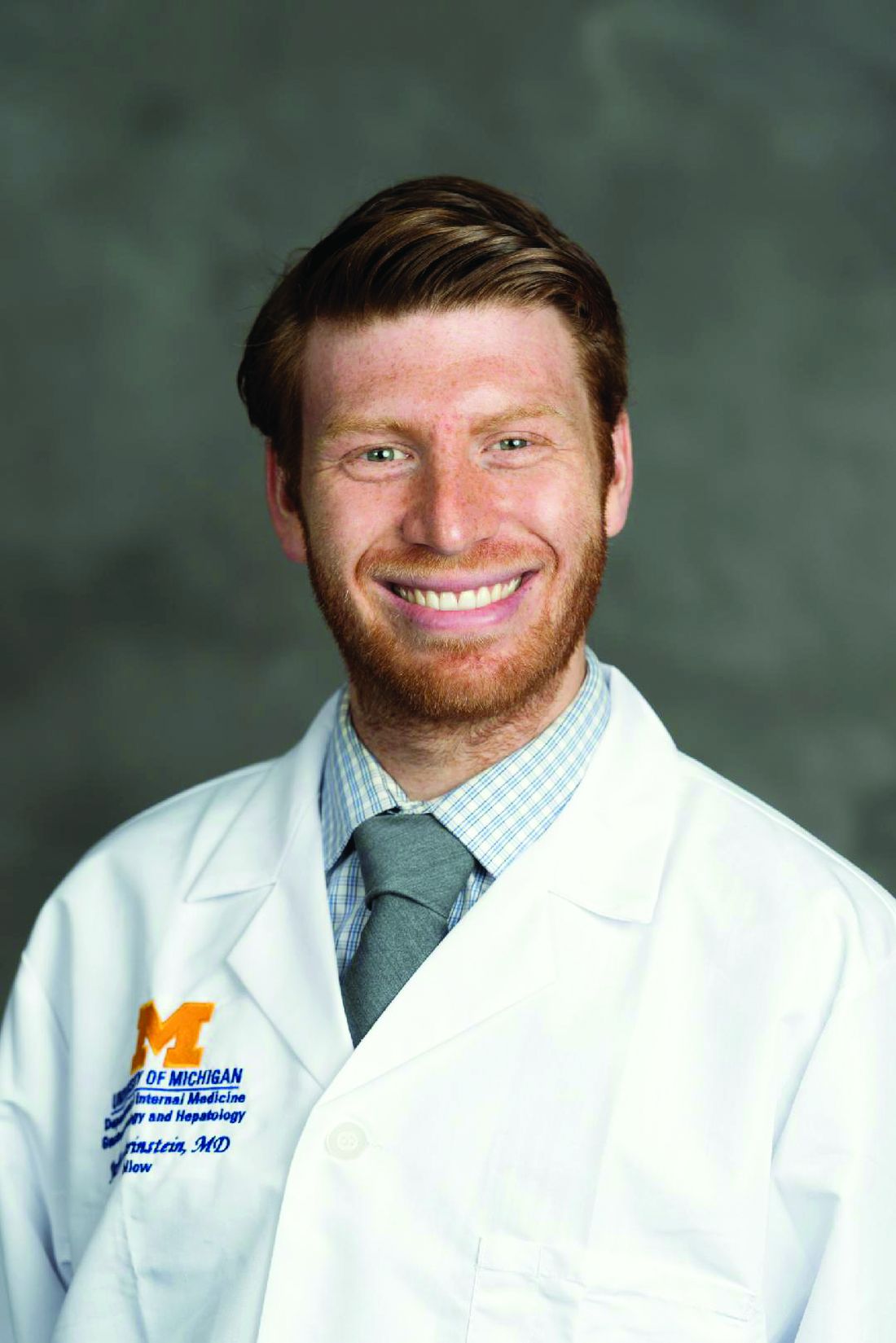
Recent treatment advances for UC have provided significant benefits in reducing the severity of symptoms; however, about a quarter of patients go on to experience flares, with fecal urgency, rectal bleeding, and severe abdominal pain of ASUC potentially requiring hospitalization.
The standard of care for those patients is rapid induction with intravenous (IV) corticosteroids; however, up to 30% of patients don’t respond to those interventions, and even with subsequent treatment of cyclosporine and infliximab helping to reduce the risk for an urgent colectomy, patients often don’t respond, and ultimately, up to a third of patients with ASUC end up having to receive a colectomy.
While JAK inhibitor therapies, including tofacitinib and upadacitinib, have recently emerged as potentially important treatment options in such cases, showing reductions in the risk for colectomy, concerns about the drugs’ downstream biologic effects have given many clinicians reservations about their use.
“Anecdotally, gastroenterologists and surgeons have expressed concern about JAK inhibitors leading to poor wound healing, as well as increasing both intraoperative and postoperative complications, despite limited data to support these claims,” the authors wrote.
To better understand those possible risks, first author Charlotte Larson, MD, of the Department of Internal Medicine, Michigan Medicine, and colleagues conducted a multicenter, retrospective, case-control study of 109 patients hospitalized with ASUC at two centers in the US and 14 in France.
Of the patients, 41 were treated with tofacitinib and 68 with infliximab prior to colectomy.
Among patients treated with tofacitinib, five (12.2%) received infliximab and four (9.8%) received cyclosporine rescue immediately prior to receiving tofacitinib during the index admission. In the infliximab group, one (1.5%) received rescue cyclosporine.
In a univariate analysis, the tofacitinib-treated patients showed significantly lower overall rates of postoperative complications than infliximab-treated patients (31.7% vs 64.7%; odds ratio [OR], 0.33; P = .006).
The tofacitinib-treated group also had lower rates of serious postoperative complications (12% vs 28.9; OR, 0.20; P = .016).
After adjusting for multivariate factors including age, inflammatory burden, nutrition status, 90-day cumulative corticosteroid exposure and open surgery, there was a trend favoring tofacitinib but no statistically significant difference between the two treatments in terms of serious postoperative complications (P = .061).
However, a significantly lower rate of overall postoperative complications with tofacitinib was observed after the adjustment (odds ratio, 0.38; P = .023).
Importantly, a subanalysis showed that the 63.4% of tofacitinib-treated patients receiving the standard FDA-approved induction dose of 10 mg twice daily did indeed have significantly lower rates than infliximab-treated patients in terms of serious postoperative complications (OR, .10; P = .031), as well as overall postoperative complications (OR, 0.23; P = .003), whereas neither of the outcomes were significantly improved among the 36.6% of patients who received the higher-intensity thrice-daily tofacitinib dose (P = .3 and P = .4, respectively).
Further complicating the matter, in a previous case-control study that the research team conducted, it was the off-label, 10 mg thrice-daily dose of tofacitinib that performed favorably and was associated with a significantly lower risk for colectomy than the twice-daily dose (hazard ratio 0.28; P = .018); the twice-daily dose was not protective.
Berinstein added that a hypothesis for the benefits overall, with either dose, is that tofacitinib’s anti-inflammatory properties are key.
“We believe that lowering inflammation as much as possible, with the colon less inflamed, could be providing the benefit in lowering complications rate in surgery,” he explained.
Regarding the dosing, “it’s a careful trade-off,” Berinstein added. “Obviously, we want to avoid the need for a colectomy in the first place, as it is a life-changing surgery, but we don’t want to increase the risk of infections.”
In other findings, the tofacitinib group had no increased risk for postoperative venous thrombotic embolisms (VTEs), which is important as tofacitinib exposure has previously been associated with an increased risk for VTEs independent of other prothrombotic factors common to patients with ASUC, including decreased ambulation, active inflammation, corticosteroid use, and major colorectal surgery.
“This observed absence of an increased VTE risk may alleviate some of the hypothetical postoperative safety concern attributed to JAK inhibitor therapy in this high-risk population,” the authors wrote.
Overall, the results underscore that “providers should feel comfortable using this medication if they need it and if they think it’s most likely to help their patients avoid colectomy,” Berinstein said.
“They should not give pause over concerns of postoperative complications because we didn’t show that,” he said.

Commenting on the study, Joseph D. Feuerstein, MD, AGAF, of the Department of Medicine and Division of Gastroenterology, Beth Israel Deaconess Medical Center, Harvard Medical School, Boston, noted that, in general, in patients with ASUC who fail on IV steroids, “the main treatments are infliximab, cyclosporine, or a JAK inhibitor like tofacitinib or upadacitinib, [and] knowing that if someone needs surgery, the complication rates are similar and that pre-operative use is okay is reassuring.”
Regarding the protective effect observed with some circumstances, “I don’t put too much weight into that,” he noted. “[One] could speculate that it is somehow related to faster half-life of the drug, and it might not sit around as long,” he said.
Feuerstein added that “the study design being retrospective is a limitation, but this is the best data we have to date.”
Berinstein and Feuerstein had no disclosures to report.
A version of this article appeared on Medscape.com .
A head-to-head comparison of the JAK inhibitor drug tofacitinib and chimeric monoclonal antibody infliximab in the treatment of acute severe ulcerative colitis (ASUC) shows that, contrary to concerns, tofacitinib is not associated with worse postoperative complications and in fact may reduce the risk of the need for colectomy.
“Tofacitinib has shown efficacy in managing ASUC, but concerns about postoperative complications have limited its adoption,” reported the authors in research published in Clinical Gastroenterology and Hepatology.“, which is unfortunately common in this population,” senior author Jeffrey A. Berinstein, MD, of the Division of Gastroenterology and Hepatology, Michigan Medicine, Ann Arbor, Michigan, told GI & Hepatology News.
Recent treatment advances for UC have provided significant benefits in reducing the severity of symptoms; however, about a quarter of patients go on to experience flares, with fecal urgency, rectal bleeding, and severe abdominal pain of ASUC potentially requiring hospitalization.
The standard of care for those patients is rapid induction with intravenous (IV) corticosteroids; however, up to 30% of patients don’t respond to those interventions, and even with subsequent treatment of cyclosporine and infliximab helping to reduce the risk for an urgent colectomy, patients often don’t respond, and ultimately, up to a third of patients with ASUC end up having to receive a colectomy.
While JAK inhibitor therapies, including tofacitinib and upadacitinib, have recently emerged as potentially important treatment options in such cases, showing reductions in the risk for colectomy, concerns about the drugs’ downstream biologic effects have given many clinicians reservations about their use.
“Anecdotally, gastroenterologists and surgeons have expressed concern about JAK inhibitors leading to poor wound healing, as well as increasing both intraoperative and postoperative complications, despite limited data to support these claims,” the authors wrote.
To better understand those possible risks, first author Charlotte Larson, MD, of the Department of Internal Medicine, Michigan Medicine, and colleagues conducted a multicenter, retrospective, case-control study of 109 patients hospitalized with ASUC at two centers in the US and 14 in France.
Of the patients, 41 were treated with tofacitinib and 68 with infliximab prior to colectomy.
Among patients treated with tofacitinib, five (12.2%) received infliximab and four (9.8%) received cyclosporine rescue immediately prior to receiving tofacitinib during the index admission. In the infliximab group, one (1.5%) received rescue cyclosporine.
In a univariate analysis, the tofacitinib-treated patients showed significantly lower overall rates of postoperative complications than infliximab-treated patients (31.7% vs 64.7%; odds ratio [OR], 0.33; P = .006).
The tofacitinib-treated group also had lower rates of serious postoperative complications (12% vs 28.9; OR, 0.20; P = .016).
After adjusting for multivariate factors including age, inflammatory burden, nutrition status, 90-day cumulative corticosteroid exposure and open surgery, there was a trend favoring tofacitinib but no statistically significant difference between the two treatments in terms of serious postoperative complications (P = .061).
However, a significantly lower rate of overall postoperative complications with tofacitinib was observed after the adjustment (odds ratio, 0.38; P = .023).
Importantly, a subanalysis showed that the 63.4% of tofacitinib-treated patients receiving the standard FDA-approved induction dose of 10 mg twice daily did indeed have significantly lower rates than infliximab-treated patients in terms of serious postoperative complications (OR, .10; P = .031), as well as overall postoperative complications (OR, 0.23; P = .003), whereas neither of the outcomes were significantly improved among the 36.6% of patients who received the higher-intensity thrice-daily tofacitinib dose (P = .3 and P = .4, respectively).
Further complicating the matter, in a previous case-control study that the research team conducted, it was the off-label, 10 mg thrice-daily dose of tofacitinib that performed favorably and was associated with a significantly lower risk for colectomy than the twice-daily dose (hazard ratio 0.28; P = .018); the twice-daily dose was not protective.
Berinstein added that a hypothesis for the benefits overall, with either dose, is that tofacitinib’s anti-inflammatory properties are key.
“We believe that lowering inflammation as much as possible, with the colon less inflamed, could be providing the benefit in lowering complications rate in surgery,” he explained.
Regarding the dosing, “it’s a careful trade-off,” Berinstein added. “Obviously, we want to avoid the need for a colectomy in the first place, as it is a life-changing surgery, but we don’t want to increase the risk of infections.”
In other findings, the tofacitinib group had no increased risk for postoperative venous thrombotic embolisms (VTEs), which is important as tofacitinib exposure has previously been associated with an increased risk for VTEs independent of other prothrombotic factors common to patients with ASUC, including decreased ambulation, active inflammation, corticosteroid use, and major colorectal surgery.
“This observed absence of an increased VTE risk may alleviate some of the hypothetical postoperative safety concern attributed to JAK inhibitor therapy in this high-risk population,” the authors wrote.
Overall, the results underscore that “providers should feel comfortable using this medication if they need it and if they think it’s most likely to help their patients avoid colectomy,” Berinstein said.
“They should not give pause over concerns of postoperative complications because we didn’t show that,” he said.
Commenting on the study, Joseph D. Feuerstein, MD, AGAF, of the Department of Medicine and Division of Gastroenterology, Beth Israel Deaconess Medical Center, Harvard Medical School, Boston, noted that, in general, in patients with ASUC who fail on IV steroids, “the main treatments are infliximab, cyclosporine, or a JAK inhibitor like tofacitinib or upadacitinib, [and] knowing that if someone needs surgery, the complication rates are similar and that pre-operative use is okay is reassuring.”
Regarding the protective effect observed with some circumstances, “I don’t put too much weight into that,” he noted. “[One] could speculate that it is somehow related to faster half-life of the drug, and it might not sit around as long,” he said.
Feuerstein added that “the study design being retrospective is a limitation, but this is the best data we have to date.”
Berinstein and Feuerstein had no disclosures to report.
A version of this article appeared on Medscape.com .
A head-to-head comparison of the JAK inhibitor drug tofacitinib and chimeric monoclonal antibody infliximab in the treatment of acute severe ulcerative colitis (ASUC) shows that, contrary to concerns, tofacitinib is not associated with worse postoperative complications and in fact may reduce the risk of the need for colectomy.
“Tofacitinib has shown efficacy in managing ASUC, but concerns about postoperative complications have limited its adoption,” reported the authors in research published in Clinical Gastroenterology and Hepatology.“, which is unfortunately common in this population,” senior author Jeffrey A. Berinstein, MD, of the Division of Gastroenterology and Hepatology, Michigan Medicine, Ann Arbor, Michigan, told GI & Hepatology News.
Recent treatment advances for UC have provided significant benefits in reducing the severity of symptoms; however, about a quarter of patients go on to experience flares, with fecal urgency, rectal bleeding, and severe abdominal pain of ASUC potentially requiring hospitalization.
The standard of care for those patients is rapid induction with intravenous (IV) corticosteroids; however, up to 30% of patients don’t respond to those interventions, and even with subsequent treatment of cyclosporine and infliximab helping to reduce the risk for an urgent colectomy, patients often don’t respond, and ultimately, up to a third of patients with ASUC end up having to receive a colectomy.
While JAK inhibitor therapies, including tofacitinib and upadacitinib, have recently emerged as potentially important treatment options in such cases, showing reductions in the risk for colectomy, concerns about the drugs’ downstream biologic effects have given many clinicians reservations about their use.
“Anecdotally, gastroenterologists and surgeons have expressed concern about JAK inhibitors leading to poor wound healing, as well as increasing both intraoperative and postoperative complications, despite limited data to support these claims,” the authors wrote.
To better understand those possible risks, first author Charlotte Larson, MD, of the Department of Internal Medicine, Michigan Medicine, and colleagues conducted a multicenter, retrospective, case-control study of 109 patients hospitalized with ASUC at two centers in the US and 14 in France.
Of the patients, 41 were treated with tofacitinib and 68 with infliximab prior to colectomy.
Among patients treated with tofacitinib, five (12.2%) received infliximab and four (9.8%) received cyclosporine rescue immediately prior to receiving tofacitinib during the index admission. In the infliximab group, one (1.5%) received rescue cyclosporine.
In a univariate analysis, the tofacitinib-treated patients showed significantly lower overall rates of postoperative complications than infliximab-treated patients (31.7% vs 64.7%; odds ratio [OR], 0.33; P = .006).
The tofacitinib-treated group also had lower rates of serious postoperative complications (12% vs 28.9; OR, 0.20; P = .016).
After adjusting for multivariate factors including age, inflammatory burden, nutrition status, 90-day cumulative corticosteroid exposure and open surgery, there was a trend favoring tofacitinib but no statistically significant difference between the two treatments in terms of serious postoperative complications (P = .061).
However, a significantly lower rate of overall postoperative complications with tofacitinib was observed after the adjustment (odds ratio, 0.38; P = .023).
Importantly, a subanalysis showed that the 63.4% of tofacitinib-treated patients receiving the standard FDA-approved induction dose of 10 mg twice daily did indeed have significantly lower rates than infliximab-treated patients in terms of serious postoperative complications (OR, .10; P = .031), as well as overall postoperative complications (OR, 0.23; P = .003), whereas neither of the outcomes were significantly improved among the 36.6% of patients who received the higher-intensity thrice-daily tofacitinib dose (P = .3 and P = .4, respectively).
Further complicating the matter, in a previous case-control study that the research team conducted, it was the off-label, 10 mg thrice-daily dose of tofacitinib that performed favorably and was associated with a significantly lower risk for colectomy than the twice-daily dose (hazard ratio 0.28; P = .018); the twice-daily dose was not protective.
Berinstein added that a hypothesis for the benefits overall, with either dose, is that tofacitinib’s anti-inflammatory properties are key.
“We believe that lowering inflammation as much as possible, with the colon less inflamed, could be providing the benefit in lowering complications rate in surgery,” he explained.
Regarding the dosing, “it’s a careful trade-off,” Berinstein added. “Obviously, we want to avoid the need for a colectomy in the first place, as it is a life-changing surgery, but we don’t want to increase the risk of infections.”
In other findings, the tofacitinib group had no increased risk for postoperative venous thrombotic embolisms (VTEs), which is important as tofacitinib exposure has previously been associated with an increased risk for VTEs independent of other prothrombotic factors common to patients with ASUC, including decreased ambulation, active inflammation, corticosteroid use, and major colorectal surgery.
“This observed absence of an increased VTE risk may alleviate some of the hypothetical postoperative safety concern attributed to JAK inhibitor therapy in this high-risk population,” the authors wrote.
Overall, the results underscore that “providers should feel comfortable using this medication if they need it and if they think it’s most likely to help their patients avoid colectomy,” Berinstein said.
“They should not give pause over concerns of postoperative complications because we didn’t show that,” he said.
Commenting on the study, Joseph D. Feuerstein, MD, AGAF, of the Department of Medicine and Division of Gastroenterology, Beth Israel Deaconess Medical Center, Harvard Medical School, Boston, noted that, in general, in patients with ASUC who fail on IV steroids, “the main treatments are infliximab, cyclosporine, or a JAK inhibitor like tofacitinib or upadacitinib, [and] knowing that if someone needs surgery, the complication rates are similar and that pre-operative use is okay is reassuring.”
Regarding the protective effect observed with some circumstances, “I don’t put too much weight into that,” he noted. “[One] could speculate that it is somehow related to faster half-life of the drug, and it might not sit around as long,” he said.
Feuerstein added that “the study design being retrospective is a limitation, but this is the best data we have to date.”
Berinstein and Feuerstein had no disclosures to report.
A version of this article appeared on Medscape.com .
FROM CLINICAL GASTROENTEROLOGY AND HEPATOLOGY
Endoscopic Lifting Agents: AGA Issues New Clinical Practice Update
Published in Clinical Gastroenterology and Hepatology, the commentary reviews available agents and provides clinically relevant commentary on their indications and use — with the caveat that it is not a formal systematic review but rather empirical advice for endoscopists. No formal rating of the quality of evidence or strength of recommendations was performed.
Led by Tobias Zuchelli, MD, a clinical associate professor at Michigan State University and a gastroenterologist at the Henry Ford Health System in Detroit, the expert panel noted that endoscopists are increasingly resecting precancerous lesions and early cancers of the gastrointestinal tract.
“Although new endoscopic procedures have been developed, there had not been much in terms of high-quality guidance on lifting agents,” panelist Amit V. Patel, MD, a professor of medicine at Duke University and director of Endoscopy at Durham Veterans Affairs Medical Center in Durham, North Carolina, told GI & Hepatology News. “With our better understanding and use of techniques, this commentary was timely. It summarizes the available data on the topic and includes our clinical experiences.”

Filling that knowledge gap, the document reviews in detail the timing and methods of agent injection according to procedure type, including the dynamic needle approach, the empirical merits of different agents such as saline (with or without blue contrast) and viscous agents, as well as lift-enhancing assistive devices — for example, the ERBEJET 2 high-pressure water jet, an adjustable hydrosurgical device to facilitate lifting. A chart provides an at-a-glance summary of agents and their pros and cons.
“The feedback from gastroenterologists so far has been quite positive on social media and on GI channels,” Patel said.
Endoscopic resection has evolved from snare polypectomy to endoscopic mucosal resection (EMR) and now, endoscopic submucosal dissection (ESD). The primary benefit of submucosal lifting is the creation of a separating submucosal cushion between the lesion and muscularis propria (MP), which reduces the risk for immediate or delayed perforation of the muscle. Adding a contrast agent also demarcates lesion margins and stains the submucosa, which is fundamental to ESD and allows for assessment of MP injury during EMR.
For decades, homemade solutions were used to lift lesions before removal, with the sentinel agent being normal saline, later mixed with a blue contrast agent, usually indigo carmine or methylene blue. The authors noted that some endoscopists performing ESD start the submucosal injection and incision using a prepackaged viscous solution. “The endoscopist may continue with the viscous fluid or transition to saline or another less expensive solution,” they wrote.
Saline tends to dissipate more quickly than viscous solutions, however. In 2015, the polymer compound SIC-8000 became the first FDA-approved submucosal injection agent. Since then, several other fluids have come on the market, although homemade agents remain available.
Among the update’s recommendations, the fluid selected for EMR should be determined by lesion size, predicted histology, and endoscopist preference. Based on the US Multi-Society Task Force (USMSTF) on Colorectal Cancer, submucosal injection is optional for nonpedunculated colorectal lesions (NPCRLs) of intermediate size (10-19 mm).
Cold snare polypectomy without submucosal injection was later found to be non-inferior to other resection methods utilizing submucosal injection for NPCRLs ≤ 15 mm.
The update noted that the USMSTF considers EMR first-line therapy for most NPCRLs ≥ 20 mm and advocates viscous solutions as preferred, while the use of lifting agents for pedunculated polyps is generally at the discretion of the endoscopist.
For Patel, the main “clinical pearls” in the update are adding a contrast agent to normal saline, using a viscous agent for cold EMR, and manipulating the injection needle first tangentially and then dynamically toward the lumen to maximize separation of the lesion.
In terms of the ideal, an optimal lifting solution would be readily available, inexpensive, and premixed, providing a sustained submucosal cushion. “However, this ideal solution currently does not exist. Injection fluids should, therefore, be selected based on planned resection method, predicted histology, local expertise and preferences, and cost,” the panelists wrote.
Added Patel, “A lot of the agents out there check most of these boxes, but we’re hoping for further development toward the ideal.”
Offering a nonparticipant’s perspective on the overview, Wasseem Skef, MD, a gastroenterologist at UTHealth Houston, found the update very useful. “It always helps to have the literature summarized,” he told GI & Hepatology News. “It’s a pretty balanced review that pulls together the various options but allows people to stick to their preferred practice.”

In his practice, the lifting agent selected depends on the type of resection. “Viscous agents are generally more popular for EMR-type resections,” Skef said. One unanswered question, he noted, is whether adding a hemostatic agent would be superior to a viscous agent alone. “But overall, this is a nice summary of available agents. Gastroenterologists should consider these different options if doing procedures like EMR.”
This review was sponsored by the AGA Institute.
Zuchelli is a consultant for Boston Scientific. Patel consults for Medpace, Renexxion, and Sanofi. Skef reported having no relevant disclosures.
A version of this article appeared on Medscape.com .
Published in Clinical Gastroenterology and Hepatology, the commentary reviews available agents and provides clinically relevant commentary on their indications and use — with the caveat that it is not a formal systematic review but rather empirical advice for endoscopists. No formal rating of the quality of evidence or strength of recommendations was performed.
Led by Tobias Zuchelli, MD, a clinical associate professor at Michigan State University and a gastroenterologist at the Henry Ford Health System in Detroit, the expert panel noted that endoscopists are increasingly resecting precancerous lesions and early cancers of the gastrointestinal tract.
“Although new endoscopic procedures have been developed, there had not been much in terms of high-quality guidance on lifting agents,” panelist Amit V. Patel, MD, a professor of medicine at Duke University and director of Endoscopy at Durham Veterans Affairs Medical Center in Durham, North Carolina, told GI & Hepatology News. “With our better understanding and use of techniques, this commentary was timely. It summarizes the available data on the topic and includes our clinical experiences.”
Filling that knowledge gap, the document reviews in detail the timing and methods of agent injection according to procedure type, including the dynamic needle approach, the empirical merits of different agents such as saline (with or without blue contrast) and viscous agents, as well as lift-enhancing assistive devices — for example, the ERBEJET 2 high-pressure water jet, an adjustable hydrosurgical device to facilitate lifting. A chart provides an at-a-glance summary of agents and their pros and cons.
“The feedback from gastroenterologists so far has been quite positive on social media and on GI channels,” Patel said.
Endoscopic resection has evolved from snare polypectomy to endoscopic mucosal resection (EMR) and now, endoscopic submucosal dissection (ESD). The primary benefit of submucosal lifting is the creation of a separating submucosal cushion between the lesion and muscularis propria (MP), which reduces the risk for immediate or delayed perforation of the muscle. Adding a contrast agent also demarcates lesion margins and stains the submucosa, which is fundamental to ESD and allows for assessment of MP injury during EMR.
For decades, homemade solutions were used to lift lesions before removal, with the sentinel agent being normal saline, later mixed with a blue contrast agent, usually indigo carmine or methylene blue. The authors noted that some endoscopists performing ESD start the submucosal injection and incision using a prepackaged viscous solution. “The endoscopist may continue with the viscous fluid or transition to saline or another less expensive solution,” they wrote.
Saline tends to dissipate more quickly than viscous solutions, however. In 2015, the polymer compound SIC-8000 became the first FDA-approved submucosal injection agent. Since then, several other fluids have come on the market, although homemade agents remain available.
Among the update’s recommendations, the fluid selected for EMR should be determined by lesion size, predicted histology, and endoscopist preference. Based on the US Multi-Society Task Force (USMSTF) on Colorectal Cancer, submucosal injection is optional for nonpedunculated colorectal lesions (NPCRLs) of intermediate size (10-19 mm).
Cold snare polypectomy without submucosal injection was later found to be non-inferior to other resection methods utilizing submucosal injection for NPCRLs ≤ 15 mm.
The update noted that the USMSTF considers EMR first-line therapy for most NPCRLs ≥ 20 mm and advocates viscous solutions as preferred, while the use of lifting agents for pedunculated polyps is generally at the discretion of the endoscopist.
For Patel, the main “clinical pearls” in the update are adding a contrast agent to normal saline, using a viscous agent for cold EMR, and manipulating the injection needle first tangentially and then dynamically toward the lumen to maximize separation of the lesion.
In terms of the ideal, an optimal lifting solution would be readily available, inexpensive, and premixed, providing a sustained submucosal cushion. “However, this ideal solution currently does not exist. Injection fluids should, therefore, be selected based on planned resection method, predicted histology, local expertise and preferences, and cost,” the panelists wrote.
Added Patel, “A lot of the agents out there check most of these boxes, but we’re hoping for further development toward the ideal.”
Offering a nonparticipant’s perspective on the overview, Wasseem Skef, MD, a gastroenterologist at UTHealth Houston, found the update very useful. “It always helps to have the literature summarized,” he told GI & Hepatology News. “It’s a pretty balanced review that pulls together the various options but allows people to stick to their preferred practice.”
In his practice, the lifting agent selected depends on the type of resection. “Viscous agents are generally more popular for EMR-type resections,” Skef said. One unanswered question, he noted, is whether adding a hemostatic agent would be superior to a viscous agent alone. “But overall, this is a nice summary of available agents. Gastroenterologists should consider these different options if doing procedures like EMR.”
This review was sponsored by the AGA Institute.
Zuchelli is a consultant for Boston Scientific. Patel consults for Medpace, Renexxion, and Sanofi. Skef reported having no relevant disclosures.
A version of this article appeared on Medscape.com .
Published in Clinical Gastroenterology and Hepatology, the commentary reviews available agents and provides clinically relevant commentary on their indications and use — with the caveat that it is not a formal systematic review but rather empirical advice for endoscopists. No formal rating of the quality of evidence or strength of recommendations was performed.
Led by Tobias Zuchelli, MD, a clinical associate professor at Michigan State University and a gastroenterologist at the Henry Ford Health System in Detroit, the expert panel noted that endoscopists are increasingly resecting precancerous lesions and early cancers of the gastrointestinal tract.
“Although new endoscopic procedures have been developed, there had not been much in terms of high-quality guidance on lifting agents,” panelist Amit V. Patel, MD, a professor of medicine at Duke University and director of Endoscopy at Durham Veterans Affairs Medical Center in Durham, North Carolina, told GI & Hepatology News. “With our better understanding and use of techniques, this commentary was timely. It summarizes the available data on the topic and includes our clinical experiences.”
Filling that knowledge gap, the document reviews in detail the timing and methods of agent injection according to procedure type, including the dynamic needle approach, the empirical merits of different agents such as saline (with or without blue contrast) and viscous agents, as well as lift-enhancing assistive devices — for example, the ERBEJET 2 high-pressure water jet, an adjustable hydrosurgical device to facilitate lifting. A chart provides an at-a-glance summary of agents and their pros and cons.
“The feedback from gastroenterologists so far has been quite positive on social media and on GI channels,” Patel said.
Endoscopic resection has evolved from snare polypectomy to endoscopic mucosal resection (EMR) and now, endoscopic submucosal dissection (ESD). The primary benefit of submucosal lifting is the creation of a separating submucosal cushion between the lesion and muscularis propria (MP), which reduces the risk for immediate or delayed perforation of the muscle. Adding a contrast agent also demarcates lesion margins and stains the submucosa, which is fundamental to ESD and allows for assessment of MP injury during EMR.
For decades, homemade solutions were used to lift lesions before removal, with the sentinel agent being normal saline, later mixed with a blue contrast agent, usually indigo carmine or methylene blue. The authors noted that some endoscopists performing ESD start the submucosal injection and incision using a prepackaged viscous solution. “The endoscopist may continue with the viscous fluid or transition to saline or another less expensive solution,” they wrote.
Saline tends to dissipate more quickly than viscous solutions, however. In 2015, the polymer compound SIC-8000 became the first FDA-approved submucosal injection agent. Since then, several other fluids have come on the market, although homemade agents remain available.
Among the update’s recommendations, the fluid selected for EMR should be determined by lesion size, predicted histology, and endoscopist preference. Based on the US Multi-Society Task Force (USMSTF) on Colorectal Cancer, submucosal injection is optional for nonpedunculated colorectal lesions (NPCRLs) of intermediate size (10-19 mm).
Cold snare polypectomy without submucosal injection was later found to be non-inferior to other resection methods utilizing submucosal injection for NPCRLs ≤ 15 mm.
The update noted that the USMSTF considers EMR first-line therapy for most NPCRLs ≥ 20 mm and advocates viscous solutions as preferred, while the use of lifting agents for pedunculated polyps is generally at the discretion of the endoscopist.
For Patel, the main “clinical pearls” in the update are adding a contrast agent to normal saline, using a viscous agent for cold EMR, and manipulating the injection needle first tangentially and then dynamically toward the lumen to maximize separation of the lesion.
In terms of the ideal, an optimal lifting solution would be readily available, inexpensive, and premixed, providing a sustained submucosal cushion. “However, this ideal solution currently does not exist. Injection fluids should, therefore, be selected based on planned resection method, predicted histology, local expertise and preferences, and cost,” the panelists wrote.
Added Patel, “A lot of the agents out there check most of these boxes, but we’re hoping for further development toward the ideal.”
Offering a nonparticipant’s perspective on the overview, Wasseem Skef, MD, a gastroenterologist at UTHealth Houston, found the update very useful. “It always helps to have the literature summarized,” he told GI & Hepatology News. “It’s a pretty balanced review that pulls together the various options but allows people to stick to their preferred practice.”
In his practice, the lifting agent selected depends on the type of resection. “Viscous agents are generally more popular for EMR-type resections,” Skef said. One unanswered question, he noted, is whether adding a hemostatic agent would be superior to a viscous agent alone. “But overall, this is a nice summary of available agents. Gastroenterologists should consider these different options if doing procedures like EMR.”
This review was sponsored by the AGA Institute.
Zuchelli is a consultant for Boston Scientific. Patel consults for Medpace, Renexxion, and Sanofi. Skef reported having no relevant disclosures.
A version of this article appeared on Medscape.com .
FROM CLINICAL GASTROENTEROLOGY AND HEPATOLOGY
IBS, Chronic Idiopathic Constipation Surged During Pandemic
, with a near doubling of the national rate of IBS over 2 years, a study has found.
The uptick is probably due to not only the direct impact of SARS-CoV-2 infection on the gastrointestinal tract but also to the psychological stress associated with pandemic life, the study team said.
“COVID infection itself can definitely cause gastrointestinal symptoms like diarrhea, nausea, and abdominal pain — and for some people, those symptoms can linger and lead to chronic conditions like IBS,” Christopher V. Almario, MD, MSHPM, lead author and gastroenterologist at Cedars-Sinai Medical Center, Los Angeles, California, told GI & Hepatology News.

“But the stress of living through the pandemic — lockdowns, fear, isolation — also likely played a major role as well in the increased prevalence of digestive disorders. Both the infection itself and the psychological toll of the pandemic can disrupt the gut-brain axis and trigger chronic digestive disorders like IBS,” Almario said.
The study was published in Neurogastroenterology & Motility.
Growing Burden of Gut Disorders
Disorders of gut-brain interaction (DGBIs) are a heterogeneous group of conditions in which gastrointestinal symptoms occur without any detectable structural or biochemical abnormalities in the digestive tract. They include IBS, functional dyspepsia, and chronic idiopathic constipation, among others.
DGBIs are highly prevalent. Research has shown that nearly 40% of people in the US meet Rome IV criteria for at least one DGBI.
Almario and colleagues assessed trends in prevalence of these conditions during the COVID-19 pandemic. Starting in May 2020 through May 2022, they conducted a series of online surveys with more than 160,000 adults aged 18 or older using validated Rome IV diagnostic questionnaires.
Results showed that during the pandemic, IBS prevalence rose from 6.1% in May 2020 to 11.0% by May 2022, an increase of 0.188% per month (adjusted P < .001).
Chronic idiopathic constipation showed a smaller but statistically significant increase, from 6.0% to 6.4% (0.056% per month; adjusted P < .001).
Within the IBS subtypes, mixed-type IBS showed the largest relative increase (0.085% per month), followed by IBS with constipation (0.041% per month) and IBS with diarrhea (0.037% per month).
There were no significant changes in the prevalence of other DGBIs, such as functional bloating, functional diarrhea, or functional dyspepsia, during the study period.
Almario told GI & Hepatology News only about 9% of those surveyed reported a positive COVID test at the time of the surveys, but that figure probably underrepresents actual infections, especially in the early months of the pandemic. “Most of the survey responses came in during the earlier phases of the pandemic, and the percentage reporting a positive test increased over time,” he explained.
Almario also noted that this study did not directly compare digestive disorder rates between infected and uninfected individuals. However, a separate study by the Cedars-Sinai team currently undergoing peer review addresses that question more directly. “That study, along with several other studies, show that having COVID increases the risk of developing conditions like IBS and functional dyspepsia,” Almario said.
Taken together, the findings “underscore the increasing healthcare and economic burden of DGBI in the post-pandemic era, emphasizing the need for targeted efforts to effectively diagnose and manage these complex conditions,” they wrote.
“This will be especially challenging for healthcare systems to address, given the existing shortage of primary care physicians and gastroenterologists — clinicians who primarily manage individuals with DGBI,” they noted.
Support for this study was received from Ironwood Pharmaceuticals and Salix Pharmaceuticals in the form of institutional research grants to Cedars-Sinai. Almario has consulted for Exact Sciences, Greenspace Labs, Owlstone Medical, Salix Pharmaceuticals, and Universal DX.
A version of this article appeared on Medscape.com.
, with a near doubling of the national rate of IBS over 2 years, a study has found.
The uptick is probably due to not only the direct impact of SARS-CoV-2 infection on the gastrointestinal tract but also to the psychological stress associated with pandemic life, the study team said.
“COVID infection itself can definitely cause gastrointestinal symptoms like diarrhea, nausea, and abdominal pain — and for some people, those symptoms can linger and lead to chronic conditions like IBS,” Christopher V. Almario, MD, MSHPM, lead author and gastroenterologist at Cedars-Sinai Medical Center, Los Angeles, California, told GI & Hepatology News.
“But the stress of living through the pandemic — lockdowns, fear, isolation — also likely played a major role as well in the increased prevalence of digestive disorders. Both the infection itself and the psychological toll of the pandemic can disrupt the gut-brain axis and trigger chronic digestive disorders like IBS,” Almario said.
The study was published in Neurogastroenterology & Motility.
Growing Burden of Gut Disorders
Disorders of gut-brain interaction (DGBIs) are a heterogeneous group of conditions in which gastrointestinal symptoms occur without any detectable structural or biochemical abnormalities in the digestive tract. They include IBS, functional dyspepsia, and chronic idiopathic constipation, among others.
DGBIs are highly prevalent. Research has shown that nearly 40% of people in the US meet Rome IV criteria for at least one DGBI.
Almario and colleagues assessed trends in prevalence of these conditions during the COVID-19 pandemic. Starting in May 2020 through May 2022, they conducted a series of online surveys with more than 160,000 adults aged 18 or older using validated Rome IV diagnostic questionnaires.
Results showed that during the pandemic, IBS prevalence rose from 6.1% in May 2020 to 11.0% by May 2022, an increase of 0.188% per month (adjusted P < .001).
Chronic idiopathic constipation showed a smaller but statistically significant increase, from 6.0% to 6.4% (0.056% per month; adjusted P < .001).
Within the IBS subtypes, mixed-type IBS showed the largest relative increase (0.085% per month), followed by IBS with constipation (0.041% per month) and IBS with diarrhea (0.037% per month).
There were no significant changes in the prevalence of other DGBIs, such as functional bloating, functional diarrhea, or functional dyspepsia, during the study period.
Almario told GI & Hepatology News only about 9% of those surveyed reported a positive COVID test at the time of the surveys, but that figure probably underrepresents actual infections, especially in the early months of the pandemic. “Most of the survey responses came in during the earlier phases of the pandemic, and the percentage reporting a positive test increased over time,” he explained.
Almario also noted that this study did not directly compare digestive disorder rates between infected and uninfected individuals. However, a separate study by the Cedars-Sinai team currently undergoing peer review addresses that question more directly. “That study, along with several other studies, show that having COVID increases the risk of developing conditions like IBS and functional dyspepsia,” Almario said.
Taken together, the findings “underscore the increasing healthcare and economic burden of DGBI in the post-pandemic era, emphasizing the need for targeted efforts to effectively diagnose and manage these complex conditions,” they wrote.
“This will be especially challenging for healthcare systems to address, given the existing shortage of primary care physicians and gastroenterologists — clinicians who primarily manage individuals with DGBI,” they noted.
Support for this study was received from Ironwood Pharmaceuticals and Salix Pharmaceuticals in the form of institutional research grants to Cedars-Sinai. Almario has consulted for Exact Sciences, Greenspace Labs, Owlstone Medical, Salix Pharmaceuticals, and Universal DX.
A version of this article appeared on Medscape.com.
, with a near doubling of the national rate of IBS over 2 years, a study has found.
The uptick is probably due to not only the direct impact of SARS-CoV-2 infection on the gastrointestinal tract but also to the psychological stress associated with pandemic life, the study team said.
“COVID infection itself can definitely cause gastrointestinal symptoms like diarrhea, nausea, and abdominal pain — and for some people, those symptoms can linger and lead to chronic conditions like IBS,” Christopher V. Almario, MD, MSHPM, lead author and gastroenterologist at Cedars-Sinai Medical Center, Los Angeles, California, told GI & Hepatology News.
“But the stress of living through the pandemic — lockdowns, fear, isolation — also likely played a major role as well in the increased prevalence of digestive disorders. Both the infection itself and the psychological toll of the pandemic can disrupt the gut-brain axis and trigger chronic digestive disorders like IBS,” Almario said.
The study was published in Neurogastroenterology & Motility.
Growing Burden of Gut Disorders
Disorders of gut-brain interaction (DGBIs) are a heterogeneous group of conditions in which gastrointestinal symptoms occur without any detectable structural or biochemical abnormalities in the digestive tract. They include IBS, functional dyspepsia, and chronic idiopathic constipation, among others.
DGBIs are highly prevalent. Research has shown that nearly 40% of people in the US meet Rome IV criteria for at least one DGBI.
Almario and colleagues assessed trends in prevalence of these conditions during the COVID-19 pandemic. Starting in May 2020 through May 2022, they conducted a series of online surveys with more than 160,000 adults aged 18 or older using validated Rome IV diagnostic questionnaires.
Results showed that during the pandemic, IBS prevalence rose from 6.1% in May 2020 to 11.0% by May 2022, an increase of 0.188% per month (adjusted P < .001).
Chronic idiopathic constipation showed a smaller but statistically significant increase, from 6.0% to 6.4% (0.056% per month; adjusted P < .001).
Within the IBS subtypes, mixed-type IBS showed the largest relative increase (0.085% per month), followed by IBS with constipation (0.041% per month) and IBS with diarrhea (0.037% per month).
There were no significant changes in the prevalence of other DGBIs, such as functional bloating, functional diarrhea, or functional dyspepsia, during the study period.
Almario told GI & Hepatology News only about 9% of those surveyed reported a positive COVID test at the time of the surveys, but that figure probably underrepresents actual infections, especially in the early months of the pandemic. “Most of the survey responses came in during the earlier phases of the pandemic, and the percentage reporting a positive test increased over time,” he explained.
Almario also noted that this study did not directly compare digestive disorder rates between infected and uninfected individuals. However, a separate study by the Cedars-Sinai team currently undergoing peer review addresses that question more directly. “That study, along with several other studies, show that having COVID increases the risk of developing conditions like IBS and functional dyspepsia,” Almario said.
Taken together, the findings “underscore the increasing healthcare and economic burden of DGBI in the post-pandemic era, emphasizing the need for targeted efforts to effectively diagnose and manage these complex conditions,” they wrote.
“This will be especially challenging for healthcare systems to address, given the existing shortage of primary care physicians and gastroenterologists — clinicians who primarily manage individuals with DGBI,” they noted.
Support for this study was received from Ironwood Pharmaceuticals and Salix Pharmaceuticals in the form of institutional research grants to Cedars-Sinai. Almario has consulted for Exact Sciences, Greenspace Labs, Owlstone Medical, Salix Pharmaceuticals, and Universal DX.
A version of this article appeared on Medscape.com.
How Common Meds Can Secretly Wreck Your Patients’ Microbiome
Effective ways to combat harmful viruses, bacteria, fungi, and parasitic worms have driven major advances in medicine and contributed to a significant increase in human life expectancy over the past century. However, as knowledge about the role of these microorganisms in promoting and maintaining health deepens, there is a need for a new look at the impact of these treatments.
The list of drugs that can directly alter the gut microbiota is long. In addition to antibiotics, antivirals, antifungals, anthelmintics, proton pump inhibitors, nonsteroidal anti-inflammatory drugs (NSAIDs), laxatives, oral antidiabetics, antidepressants, antipsychotics, statins, chemotherapeutics, and immunosuppressants can trigger dysbiosis.
A 2020 study published in Nature Communications, which analyzed the impact of common medications on the composition and metabolic function of the gut bacteria, showed that , most notably antibiotics, proton pump inhibitors, laxatives, and metformin.
“There are still no protocols aimed at preserving the microbiota during pharmacological treatment. Future research should identify biomarkers of drug-induced dysbiosis and potentially adapt live biotherapeutics to counteract it,” said Maria Júlia Segantini, MD, a coloproctologist at the University of São Paulo, Brazil.
Known Facts
Antibiotics, antivirals, antifungals, and anthelmintics eliminate pathogens but can also disrupt the microbiota across the gut, skin, mouth, lungs, and genitourinary tract.
“This ecosystem is part of the innate immune system and helps to balance inflammation and homeostasis. Loss of microbial diversity alters interspecies interactions and changes nutrient availability, which can undermine the ability to fend off pathogens,” said Segantini, noting the role of microbiota in vitamin K and B-complex production.
“The microbiome may lose its ability to prevent pathogens from taking hold. This is due to the loss of microbial diversity, changes in interactions between species, and the availability of nutrients,” she added.
Antibiotics, as is well known, eliminate bacterial species indiscriminately, reduce the presence of beneficial bacteria in the gut, and, therefore, favor the growth of opportunistic pathogenic microorganisms. However, in addition to their direct effects on microorganisms, different medications can alter the intestinal microbiota through various mechanisms linked to their specific actions. Here are some examples:
Proton pump inhibitors: These can facilitate the translocation of bacteria from the mouth to the intestine and affect the metabolic functions of the intestinal microbiota. “In users of these medications, there may be an enrichment of pathways related to carbohydrate metabolism, such as glycolysis and pyruvate metabolism, indicating possible changes in intestinal metabolism,” Segantini explained.
NSAIDs: NSAIDs can modify the function and composition of the intestinal microbiota, favor the growth of pathogenic species, and reduce the diversity of preexisting bacteria by reducing the presence of beneficial commensal bacteria, such as Lactobacillus and Bifidobacterium. “This is due to changes in the permeability of the intestinal wall, due to the inhibition of prostaglandins that help maintain the integrity of the intestinal barrier, enteropathy induced by NSAIDs, and drug interactions,” said Segantini.
Laxatives: Accelerated intestinal transit using laxatives impairs the quality of the microbiota and alters bile acid. Osmotic agents, such as lactulose and polyethylene glycol, may decrease resistance to infection.
“Studies in animal models indicate that polyethylene glycol can increase the proportion of Bacteroides and reduce the abundance of Bacteroidales bacteria, with lasting repercussions on the intestinal microbiota. Stimulant laxatives, in addition to causing an acceleration of the evacuation flow, can lead to a decrease in the production of short-chain fatty acids, which are important for intestinal health,” Segantini explained.
Chemotherapeutics: Chemotherapeutic agents can significantly influence the intestinal microbiota and affect its composition, diversity, and functionality, which in turn can affect the efficacy of treatment and the occurrence of adverse effects. “5-fluorouracil led to a decrease in the abundance of beneficial anaerobic genera, such as Blautia, and an increase in opportunistic pathogens, such as Staphylococcus and Escherichia coli, during chemotherapy. In addition, it can lead to an increase in the abundance of Bacteroidetes and Proteobacteria while reducing Firmicutes and Actinobacteria. These changes can affect the function of the intestinal barrier and the immune response. Other problems related to chemotherapy-induced dysbiosis are the adverse effects themselves, such as diarrhea and mucositis,” said Segantini.
Statins: Animal studies suggest that treatment with statins, including atorvastatin, may alter the composition of the gut microbiota. “These changes include the reduction of beneficial bacteria, such as Akkermansia muciniphila, and the increase in intestinal pathogens, resulting in intestinal dysbiosis. The use of statins can affect the diversity of the intestinal microbiota, although the results vary according to the type of statin and the clinical context.”
“Statins can activate intestinal nuclear receptors, such as pregnane X receptors, which modulate the expression of genes involved in bile metabolism and the inflammatory response. This activation can contribute to changes in the intestinal microbiota and associated metabolic processes. Although statins play a fundamental role in reducing cardiovascular risk, their interactions with the intestinal microbiota can influence the efficacy of treatment and the profile of adverse effects,” said Segantini.
Immunosuppressants: The use of immunosuppressants, such as corticosteroids, tacrolimus, and mycophenolate, has been associated with changes in the composition of the intestinal microbiota. “Immunosuppressant-induced dysbiosis can compromise the intestinal barrier, increase permeability, and facilitate bacterial translocation. This can result in opportunistic infections by pathogens and post-transplant complications, such as graft rejection and post-transplant diabetes,” Segantini stated.
“Alteration of the gut microbiota by immunosuppressants may influence the host’s immune response. For example, tacrolimus has been associated with an increase in the abundance of Allobaculum, Bacteroides, and Lactobacillus, in addition to elevated levels of regulatory T cells in the colonic mucosa and circulation, suggesting a role in modulating gut immunity,” she said.
Antipsychotics: Antipsychotics can affect gut microbiota in several ways, influencing bacterial composition and diversity, which may contribute to adverse metabolic and gastrointestinal effects.
“Olanzapine, for example, has been shown in rodent studies to increase the abundance of Firmicutes and reduce that of Bacteroidetes, resulting in a higher Firmicutes/Bacteroidetes ratio, which is associated with weight gain and dyslipidemia,” said Segantini.
She stated that risperidone increased the abundance of Firmicutes and decreased that of Bacteroidetes in animal models, correlating with weight gain and reduced basal metabolic rate. “Fecal transfer from risperidone-treated mice to naive mice resulted in decreased metabolic rate, suggesting that the gut microbiota would mediate these effects.”
Treatment with aripiprazole increased microbial diversity and the abundance of Clostridium, Peptoclostridium, Intestinibacter, and Christensenellaceae, in addition to promoting increased intestinal permeability in animal models.
“Therefore, the use of these medications can lead to metabolic changes, such as weight gain, hyperglycemia, dyslipidemia, and hypertension. This is due to a decrease in the production of short-chain fatty acids, which are important for maintaining the integrity of the intestinal barrier. Another change frequently observed in clinical practice is constipation induced by these medications. This functional change can also generate changes in the intestinal microbiota,” she said.
Oral antidiabetic agents: Oral antidiabetic agents influence the intestinal microbiota in different ways, depending on the therapeutic class. However, not all drug interactions in the microbiome are harmful. Liraglutide, a GLP-1 receptor agonist, promotes the growth of beneficial bacteria associated with metabolism.
“Exenatide, another GLP-1 agonist, has varied effects and can increase both beneficial and inflammatory bacteria,” explained Álvaro Delgado, MD, a gastroenterologist at Hospital Alemão Oswaldo Cruz in São Paulo, Brazil.
“In humans, an increase in bacteria such as Faecalibacterium prausnitzii has been observed, with positive effects. However, more studies are needed to evaluate the clinical impacts,” he said, and that, in animal models, these changes caused by GLP-1 agonists are linked to metabolic changes, such as greater glucose tolerance.
Metformin has been linked to increased abundance of A muciniphila, a beneficial bacterium that degrades mucin and produces short-chain fatty acids. “These bacteria are associated with improved insulin sensitivity and reduced inflammation,” he said.
Segantini stated that studies in mice have shown that vildagliptin also plays a positive role in altering the composition of the intestinal microbiota, increasing the abundance of Lactobacillus and Roseburia, and reducing Oscillibacter. “This same beneficial effect is seen with the use of sitagliptin,” she said.
Studies in animal models have also indicated that empagliflozin and dapagliflozin increase the populations of short-chain fatty acid-producing bacteria, such as Bacteroides and Odoribacter, and reduce the populations of lipopolysaccharide-producing bacteria, such as Oscillibacter.
“There are still not many studies regarding the use of sulfonylureas on the intestinal microbiota, so their action on the microbiota is still controversial,” said Segantini.
Antivirals: Antiviral treatment can influence gut microbiota in complex ways, depending on the type of infection and medication used.
“Although many studies focus on the effects of viral infection on the microbiota, there is evidence that antiviral treatment can also restore the healthy composition of the microbiota, promoting additional benefits to gut and immune health,” said Segantini.
In mice with chronic hepatitis B, entecavir restored the alpha diversity of the gut microbiota, which was reduced due to infection. In addition, the recovery of beneficial bacteria, such as Akkermansia and Blautia, was observed, which was associated with the protection of the intestinal barrier and reduction of hepatic inflammation.
Studies have indicated that tenofovir may aid in the recovery of intestinal dysbiosis induced by chronic hepatitis B virus infection and promote the restoration of a healthy microbial composition.
“Specifically, an increase in Collinsella and Bifidobacterium, bacteria associated with the production of short-chain fatty acids and modulation of the immune response, was observed,” said Segantini.
The use of antiretrovirals, such as lopinavir and ritonavir, has been associated with changes in the composition of the intestinal microbiota in patients living with HIV.
“A decrease in Lachnospira, Butyricicoccus, Oscillospira, and Prevotella, bacteria that produce short-chain fatty acids that are important in intestinal health and in modulating the immune response, was observed.”
Antifungals: As a side effect, antifungals also eliminate commensal fungi, which “share intestinal niches with microbiota bacteria, balancing their immunological functions. When modified, they culminate in dysbiosis, worsening of inflammatory pathologies — such as colitis and allergic diseases — and can increase bacterial translocation,” said Segantini.
For example, fluconazole reduces the abundance of Candida spp. while promoting the growth of fungi such as Aspergillus, Wallemia, and Epicoccum.
“A relative increase in Firmicutes and Proteobacteria and a decrease in Bacteroidetes, Deferribacteres, Patescibacteria, and Tenericutes were also observed,” she explained.
Anthelmintics: These also affect the intestinal bacterial and fungal microbiota and alter the modulation of the immune response, in addition to having specific effects depending on the type of drug used.
Clinical Advice
Symptoms of dysbiosis include abdominal distension, flatulence, constipation or diarrhea, pain, fatigue, and mood swings. “The diagnosis is made based on the clinical picture, since tests such as small intestinal bacterial overgrowth, which indicate metabolites of bacteria associated with dysbiosis, specific stool tests, and microbiota mapping with GI-MAP [Gastrointestinal Microbial Assay Plus], for example, are expensive, difficult to access, and often inconclusive for diagnosis and for assessing the cause of the microbiota alteration,” explained Fernando Seefelder Flaquer, MD, a gastroenterologist at Albert Einstein Israelite Hospital in São Paulo.
When caused by medication, dysbiosis tends to be reversed naturally after discontinuation of the drug. “However, in medications with a high chance of altering the microbiota, probiotics can be used as prevention,” said Flaquer.
“To avoid problems, it is important to use antibiotics with caution and prefer, when possible, those with a reduced spectrum,” advised Delgado.
“Supplementation with probiotics and prebiotics can help maintain the balance of the microbiota, but it should be evaluated on a case-by-case basis, as its indications are still restricted at present.”
Currently, dysbiosis management relies on nutritional support and lifestyle modifications. “Physical exercise, management of psychological changes, and use of probiotics and prebiotics. In specific cases, individualized treatment may even require the administration of some types of antibiotics,” explained Segantini.
Although fecal microbiota transplantation (FMT) has been widely discussed and increasingly studied, it should still be approached with caution. While promising, FMT remains experimental for most conditions, and its use outside research settings should be carefully considered, particularly in patients who are immunocompromised or have compromised intestinal barriers.
“Currently, the treatment has stood out as promising for cases of recurrent Clostridioides difficile infection, being the only consolidated clinical indication,” said Segantini.
Science Hype
The interest in gut microbiome research has undoubtedly driven important scientific advances, but it also risks exaggeration. While the field holds enormous promise, much of the research remains in its early stages.
“The indiscriminate use of probiotics and reliance on microbiota analysis tests for personalized probiotic prescriptions are growing concerns,” Delgado warned. “We need to bridge the gap between basic science and clinical application. When that translation happens, it could revolutionize care for many diseases.”
Flaquer emphasized a broader issue: “There has been an overvaluation of dysbiosis and microbiota-focused treatments as cure-alls for a wide range of conditions — often subjective or lacking solid scientific correlation — such as depression, anxiety, fatigue, cancer, and even autism.”
With ongoing advances in microbiome research, understanding the impact of this complex ecosystem on human health has become essential across all medical specialties. In pediatrics, for instance, microbiota plays a critical role in immune and metabolic development, particularly in preventing conditions such as allergies and obesity.
In digestive surgery, preoperative use of probiotics has been shown to reduce complications and enhance postoperative recovery. Neurological research has highlighted the gut-brain axis as a potential factor in the development of neurodegenerative diseases. In gynecology, regulating the vaginal microbiota is key to preventing infections and complications during pregnancy.
“Given the connections between the microbiota and both intestinal and systemic diseases, every medical specialist should understand how it relates to the conditions they treat daily,” concluded Flaquer.
This story was translated from Medscape’s Portuguese edition.
Effective ways to combat harmful viruses, bacteria, fungi, and parasitic worms have driven major advances in medicine and contributed to a significant increase in human life expectancy over the past century. However, as knowledge about the role of these microorganisms in promoting and maintaining health deepens, there is a need for a new look at the impact of these treatments.
The list of drugs that can directly alter the gut microbiota is long. In addition to antibiotics, antivirals, antifungals, anthelmintics, proton pump inhibitors, nonsteroidal anti-inflammatory drugs (NSAIDs), laxatives, oral antidiabetics, antidepressants, antipsychotics, statins, chemotherapeutics, and immunosuppressants can trigger dysbiosis.
A 2020 study published in Nature Communications, which analyzed the impact of common medications on the composition and metabolic function of the gut bacteria, showed that , most notably antibiotics, proton pump inhibitors, laxatives, and metformin.
“There are still no protocols aimed at preserving the microbiota during pharmacological treatment. Future research should identify biomarkers of drug-induced dysbiosis and potentially adapt live biotherapeutics to counteract it,” said Maria Júlia Segantini, MD, a coloproctologist at the University of São Paulo, Brazil.
Known Facts
Antibiotics, antivirals, antifungals, and anthelmintics eliminate pathogens but can also disrupt the microbiota across the gut, skin, mouth, lungs, and genitourinary tract.
“This ecosystem is part of the innate immune system and helps to balance inflammation and homeostasis. Loss of microbial diversity alters interspecies interactions and changes nutrient availability, which can undermine the ability to fend off pathogens,” said Segantini, noting the role of microbiota in vitamin K and B-complex production.
“The microbiome may lose its ability to prevent pathogens from taking hold. This is due to the loss of microbial diversity, changes in interactions between species, and the availability of nutrients,” she added.
Antibiotics, as is well known, eliminate bacterial species indiscriminately, reduce the presence of beneficial bacteria in the gut, and, therefore, favor the growth of opportunistic pathogenic microorganisms. However, in addition to their direct effects on microorganisms, different medications can alter the intestinal microbiota through various mechanisms linked to their specific actions. Here are some examples:
Proton pump inhibitors: These can facilitate the translocation of bacteria from the mouth to the intestine and affect the metabolic functions of the intestinal microbiota. “In users of these medications, there may be an enrichment of pathways related to carbohydrate metabolism, such as glycolysis and pyruvate metabolism, indicating possible changes in intestinal metabolism,” Segantini explained.
NSAIDs: NSAIDs can modify the function and composition of the intestinal microbiota, favor the growth of pathogenic species, and reduce the diversity of preexisting bacteria by reducing the presence of beneficial commensal bacteria, such as Lactobacillus and Bifidobacterium. “This is due to changes in the permeability of the intestinal wall, due to the inhibition of prostaglandins that help maintain the integrity of the intestinal barrier, enteropathy induced by NSAIDs, and drug interactions,” said Segantini.
Laxatives: Accelerated intestinal transit using laxatives impairs the quality of the microbiota and alters bile acid. Osmotic agents, such as lactulose and polyethylene glycol, may decrease resistance to infection.
“Studies in animal models indicate that polyethylene glycol can increase the proportion of Bacteroides and reduce the abundance of Bacteroidales bacteria, with lasting repercussions on the intestinal microbiota. Stimulant laxatives, in addition to causing an acceleration of the evacuation flow, can lead to a decrease in the production of short-chain fatty acids, which are important for intestinal health,” Segantini explained.
Chemotherapeutics: Chemotherapeutic agents can significantly influence the intestinal microbiota and affect its composition, diversity, and functionality, which in turn can affect the efficacy of treatment and the occurrence of adverse effects. “5-fluorouracil led to a decrease in the abundance of beneficial anaerobic genera, such as Blautia, and an increase in opportunistic pathogens, such as Staphylococcus and Escherichia coli, during chemotherapy. In addition, it can lead to an increase in the abundance of Bacteroidetes and Proteobacteria while reducing Firmicutes and Actinobacteria. These changes can affect the function of the intestinal barrier and the immune response. Other problems related to chemotherapy-induced dysbiosis are the adverse effects themselves, such as diarrhea and mucositis,” said Segantini.
Statins: Animal studies suggest that treatment with statins, including atorvastatin, may alter the composition of the gut microbiota. “These changes include the reduction of beneficial bacteria, such as Akkermansia muciniphila, and the increase in intestinal pathogens, resulting in intestinal dysbiosis. The use of statins can affect the diversity of the intestinal microbiota, although the results vary according to the type of statin and the clinical context.”
“Statins can activate intestinal nuclear receptors, such as pregnane X receptors, which modulate the expression of genes involved in bile metabolism and the inflammatory response. This activation can contribute to changes in the intestinal microbiota and associated metabolic processes. Although statins play a fundamental role in reducing cardiovascular risk, their interactions with the intestinal microbiota can influence the efficacy of treatment and the profile of adverse effects,” said Segantini.
Immunosuppressants: The use of immunosuppressants, such as corticosteroids, tacrolimus, and mycophenolate, has been associated with changes in the composition of the intestinal microbiota. “Immunosuppressant-induced dysbiosis can compromise the intestinal barrier, increase permeability, and facilitate bacterial translocation. This can result in opportunistic infections by pathogens and post-transplant complications, such as graft rejection and post-transplant diabetes,” Segantini stated.
“Alteration of the gut microbiota by immunosuppressants may influence the host’s immune response. For example, tacrolimus has been associated with an increase in the abundance of Allobaculum, Bacteroides, and Lactobacillus, in addition to elevated levels of regulatory T cells in the colonic mucosa and circulation, suggesting a role in modulating gut immunity,” she said.
Antipsychotics: Antipsychotics can affect gut microbiota in several ways, influencing bacterial composition and diversity, which may contribute to adverse metabolic and gastrointestinal effects.
“Olanzapine, for example, has been shown in rodent studies to increase the abundance of Firmicutes and reduce that of Bacteroidetes, resulting in a higher Firmicutes/Bacteroidetes ratio, which is associated with weight gain and dyslipidemia,” said Segantini.
She stated that risperidone increased the abundance of Firmicutes and decreased that of Bacteroidetes in animal models, correlating with weight gain and reduced basal metabolic rate. “Fecal transfer from risperidone-treated mice to naive mice resulted in decreased metabolic rate, suggesting that the gut microbiota would mediate these effects.”
Treatment with aripiprazole increased microbial diversity and the abundance of Clostridium, Peptoclostridium, Intestinibacter, and Christensenellaceae, in addition to promoting increased intestinal permeability in animal models.
“Therefore, the use of these medications can lead to metabolic changes, such as weight gain, hyperglycemia, dyslipidemia, and hypertension. This is due to a decrease in the production of short-chain fatty acids, which are important for maintaining the integrity of the intestinal barrier. Another change frequently observed in clinical practice is constipation induced by these medications. This functional change can also generate changes in the intestinal microbiota,” she said.
Oral antidiabetic agents: Oral antidiabetic agents influence the intestinal microbiota in different ways, depending on the therapeutic class. However, not all drug interactions in the microbiome are harmful. Liraglutide, a GLP-1 receptor agonist, promotes the growth of beneficial bacteria associated with metabolism.
“Exenatide, another GLP-1 agonist, has varied effects and can increase both beneficial and inflammatory bacteria,” explained Álvaro Delgado, MD, a gastroenterologist at Hospital Alemão Oswaldo Cruz in São Paulo, Brazil.
“In humans, an increase in bacteria such as Faecalibacterium prausnitzii has been observed, with positive effects. However, more studies are needed to evaluate the clinical impacts,” he said, and that, in animal models, these changes caused by GLP-1 agonists are linked to metabolic changes, such as greater glucose tolerance.
Metformin has been linked to increased abundance of A muciniphila, a beneficial bacterium that degrades mucin and produces short-chain fatty acids. “These bacteria are associated with improved insulin sensitivity and reduced inflammation,” he said.
Segantini stated that studies in mice have shown that vildagliptin also plays a positive role in altering the composition of the intestinal microbiota, increasing the abundance of Lactobacillus and Roseburia, and reducing Oscillibacter. “This same beneficial effect is seen with the use of sitagliptin,” she said.
Studies in animal models have also indicated that empagliflozin and dapagliflozin increase the populations of short-chain fatty acid-producing bacteria, such as Bacteroides and Odoribacter, and reduce the populations of lipopolysaccharide-producing bacteria, such as Oscillibacter.
“There are still not many studies regarding the use of sulfonylureas on the intestinal microbiota, so their action on the microbiota is still controversial,” said Segantini.
Antivirals: Antiviral treatment can influence gut microbiota in complex ways, depending on the type of infection and medication used.
“Although many studies focus on the effects of viral infection on the microbiota, there is evidence that antiviral treatment can also restore the healthy composition of the microbiota, promoting additional benefits to gut and immune health,” said Segantini.
In mice with chronic hepatitis B, entecavir restored the alpha diversity of the gut microbiota, which was reduced due to infection. In addition, the recovery of beneficial bacteria, such as Akkermansia and Blautia, was observed, which was associated with the protection of the intestinal barrier and reduction of hepatic inflammation.
Studies have indicated that tenofovir may aid in the recovery of intestinal dysbiosis induced by chronic hepatitis B virus infection and promote the restoration of a healthy microbial composition.
“Specifically, an increase in Collinsella and Bifidobacterium, bacteria associated with the production of short-chain fatty acids and modulation of the immune response, was observed,” said Segantini.
The use of antiretrovirals, such as lopinavir and ritonavir, has been associated with changes in the composition of the intestinal microbiota in patients living with HIV.
“A decrease in Lachnospira, Butyricicoccus, Oscillospira, and Prevotella, bacteria that produce short-chain fatty acids that are important in intestinal health and in modulating the immune response, was observed.”
Antifungals: As a side effect, antifungals also eliminate commensal fungi, which “share intestinal niches with microbiota bacteria, balancing their immunological functions. When modified, they culminate in dysbiosis, worsening of inflammatory pathologies — such as colitis and allergic diseases — and can increase bacterial translocation,” said Segantini.
For example, fluconazole reduces the abundance of Candida spp. while promoting the growth of fungi such as Aspergillus, Wallemia, and Epicoccum.
“A relative increase in Firmicutes and Proteobacteria and a decrease in Bacteroidetes, Deferribacteres, Patescibacteria, and Tenericutes were also observed,” she explained.
Anthelmintics: These also affect the intestinal bacterial and fungal microbiota and alter the modulation of the immune response, in addition to having specific effects depending on the type of drug used.
Clinical Advice
Symptoms of dysbiosis include abdominal distension, flatulence, constipation or diarrhea, pain, fatigue, and mood swings. “The diagnosis is made based on the clinical picture, since tests such as small intestinal bacterial overgrowth, which indicate metabolites of bacteria associated with dysbiosis, specific stool tests, and microbiota mapping with GI-MAP [Gastrointestinal Microbial Assay Plus], for example, are expensive, difficult to access, and often inconclusive for diagnosis and for assessing the cause of the microbiota alteration,” explained Fernando Seefelder Flaquer, MD, a gastroenterologist at Albert Einstein Israelite Hospital in São Paulo.
When caused by medication, dysbiosis tends to be reversed naturally after discontinuation of the drug. “However, in medications with a high chance of altering the microbiota, probiotics can be used as prevention,” said Flaquer.
“To avoid problems, it is important to use antibiotics with caution and prefer, when possible, those with a reduced spectrum,” advised Delgado.
“Supplementation with probiotics and prebiotics can help maintain the balance of the microbiota, but it should be evaluated on a case-by-case basis, as its indications are still restricted at present.”
Currently, dysbiosis management relies on nutritional support and lifestyle modifications. “Physical exercise, management of psychological changes, and use of probiotics and prebiotics. In specific cases, individualized treatment may even require the administration of some types of antibiotics,” explained Segantini.
Although fecal microbiota transplantation (FMT) has been widely discussed and increasingly studied, it should still be approached with caution. While promising, FMT remains experimental for most conditions, and its use outside research settings should be carefully considered, particularly in patients who are immunocompromised or have compromised intestinal barriers.
“Currently, the treatment has stood out as promising for cases of recurrent Clostridioides difficile infection, being the only consolidated clinical indication,” said Segantini.
Science Hype
The interest in gut microbiome research has undoubtedly driven important scientific advances, but it also risks exaggeration. While the field holds enormous promise, much of the research remains in its early stages.
“The indiscriminate use of probiotics and reliance on microbiota analysis tests for personalized probiotic prescriptions are growing concerns,” Delgado warned. “We need to bridge the gap between basic science and clinical application. When that translation happens, it could revolutionize care for many diseases.”
Flaquer emphasized a broader issue: “There has been an overvaluation of dysbiosis and microbiota-focused treatments as cure-alls for a wide range of conditions — often subjective or lacking solid scientific correlation — such as depression, anxiety, fatigue, cancer, and even autism.”
With ongoing advances in microbiome research, understanding the impact of this complex ecosystem on human health has become essential across all medical specialties. In pediatrics, for instance, microbiota plays a critical role in immune and metabolic development, particularly in preventing conditions such as allergies and obesity.
In digestive surgery, preoperative use of probiotics has been shown to reduce complications and enhance postoperative recovery. Neurological research has highlighted the gut-brain axis as a potential factor in the development of neurodegenerative diseases. In gynecology, regulating the vaginal microbiota is key to preventing infections and complications during pregnancy.
“Given the connections between the microbiota and both intestinal and systemic diseases, every medical specialist should understand how it relates to the conditions they treat daily,” concluded Flaquer.
This story was translated from Medscape’s Portuguese edition.
Effective ways to combat harmful viruses, bacteria, fungi, and parasitic worms have driven major advances in medicine and contributed to a significant increase in human life expectancy over the past century. However, as knowledge about the role of these microorganisms in promoting and maintaining health deepens, there is a need for a new look at the impact of these treatments.
The list of drugs that can directly alter the gut microbiota is long. In addition to antibiotics, antivirals, antifungals, anthelmintics, proton pump inhibitors, nonsteroidal anti-inflammatory drugs (NSAIDs), laxatives, oral antidiabetics, antidepressants, antipsychotics, statins, chemotherapeutics, and immunosuppressants can trigger dysbiosis.
A 2020 study published in Nature Communications, which analyzed the impact of common medications on the composition and metabolic function of the gut bacteria, showed that , most notably antibiotics, proton pump inhibitors, laxatives, and metformin.
“There are still no protocols aimed at preserving the microbiota during pharmacological treatment. Future research should identify biomarkers of drug-induced dysbiosis and potentially adapt live biotherapeutics to counteract it,” said Maria Júlia Segantini, MD, a coloproctologist at the University of São Paulo, Brazil.
Known Facts
Antibiotics, antivirals, antifungals, and anthelmintics eliminate pathogens but can also disrupt the microbiota across the gut, skin, mouth, lungs, and genitourinary tract.
“This ecosystem is part of the innate immune system and helps to balance inflammation and homeostasis. Loss of microbial diversity alters interspecies interactions and changes nutrient availability, which can undermine the ability to fend off pathogens,” said Segantini, noting the role of microbiota in vitamin K and B-complex production.
“The microbiome may lose its ability to prevent pathogens from taking hold. This is due to the loss of microbial diversity, changes in interactions between species, and the availability of nutrients,” she added.
Antibiotics, as is well known, eliminate bacterial species indiscriminately, reduce the presence of beneficial bacteria in the gut, and, therefore, favor the growth of opportunistic pathogenic microorganisms. However, in addition to their direct effects on microorganisms, different medications can alter the intestinal microbiota through various mechanisms linked to their specific actions. Here are some examples:
Proton pump inhibitors: These can facilitate the translocation of bacteria from the mouth to the intestine and affect the metabolic functions of the intestinal microbiota. “In users of these medications, there may be an enrichment of pathways related to carbohydrate metabolism, such as glycolysis and pyruvate metabolism, indicating possible changes in intestinal metabolism,” Segantini explained.
NSAIDs: NSAIDs can modify the function and composition of the intestinal microbiota, favor the growth of pathogenic species, and reduce the diversity of preexisting bacteria by reducing the presence of beneficial commensal bacteria, such as Lactobacillus and Bifidobacterium. “This is due to changes in the permeability of the intestinal wall, due to the inhibition of prostaglandins that help maintain the integrity of the intestinal barrier, enteropathy induced by NSAIDs, and drug interactions,” said Segantini.
Laxatives: Accelerated intestinal transit using laxatives impairs the quality of the microbiota and alters bile acid. Osmotic agents, such as lactulose and polyethylene glycol, may decrease resistance to infection.
“Studies in animal models indicate that polyethylene glycol can increase the proportion of Bacteroides and reduce the abundance of Bacteroidales bacteria, with lasting repercussions on the intestinal microbiota. Stimulant laxatives, in addition to causing an acceleration of the evacuation flow, can lead to a decrease in the production of short-chain fatty acids, which are important for intestinal health,” Segantini explained.
Chemotherapeutics: Chemotherapeutic agents can significantly influence the intestinal microbiota and affect its composition, diversity, and functionality, which in turn can affect the efficacy of treatment and the occurrence of adverse effects. “5-fluorouracil led to a decrease in the abundance of beneficial anaerobic genera, such as Blautia, and an increase in opportunistic pathogens, such as Staphylococcus and Escherichia coli, during chemotherapy. In addition, it can lead to an increase in the abundance of Bacteroidetes and Proteobacteria while reducing Firmicutes and Actinobacteria. These changes can affect the function of the intestinal barrier and the immune response. Other problems related to chemotherapy-induced dysbiosis are the adverse effects themselves, such as diarrhea and mucositis,” said Segantini.
Statins: Animal studies suggest that treatment with statins, including atorvastatin, may alter the composition of the gut microbiota. “These changes include the reduction of beneficial bacteria, such as Akkermansia muciniphila, and the increase in intestinal pathogens, resulting in intestinal dysbiosis. The use of statins can affect the diversity of the intestinal microbiota, although the results vary according to the type of statin and the clinical context.”
“Statins can activate intestinal nuclear receptors, such as pregnane X receptors, which modulate the expression of genes involved in bile metabolism and the inflammatory response. This activation can contribute to changes in the intestinal microbiota and associated metabolic processes. Although statins play a fundamental role in reducing cardiovascular risk, their interactions with the intestinal microbiota can influence the efficacy of treatment and the profile of adverse effects,” said Segantini.
Immunosuppressants: The use of immunosuppressants, such as corticosteroids, tacrolimus, and mycophenolate, has been associated with changes in the composition of the intestinal microbiota. “Immunosuppressant-induced dysbiosis can compromise the intestinal barrier, increase permeability, and facilitate bacterial translocation. This can result in opportunistic infections by pathogens and post-transplant complications, such as graft rejection and post-transplant diabetes,” Segantini stated.
“Alteration of the gut microbiota by immunosuppressants may influence the host’s immune response. For example, tacrolimus has been associated with an increase in the abundance of Allobaculum, Bacteroides, and Lactobacillus, in addition to elevated levels of regulatory T cells in the colonic mucosa and circulation, suggesting a role in modulating gut immunity,” she said.
Antipsychotics: Antipsychotics can affect gut microbiota in several ways, influencing bacterial composition and diversity, which may contribute to adverse metabolic and gastrointestinal effects.
“Olanzapine, for example, has been shown in rodent studies to increase the abundance of Firmicutes and reduce that of Bacteroidetes, resulting in a higher Firmicutes/Bacteroidetes ratio, which is associated with weight gain and dyslipidemia,” said Segantini.
She stated that risperidone increased the abundance of Firmicutes and decreased that of Bacteroidetes in animal models, correlating with weight gain and reduced basal metabolic rate. “Fecal transfer from risperidone-treated mice to naive mice resulted in decreased metabolic rate, suggesting that the gut microbiota would mediate these effects.”
Treatment with aripiprazole increased microbial diversity and the abundance of Clostridium, Peptoclostridium, Intestinibacter, and Christensenellaceae, in addition to promoting increased intestinal permeability in animal models.
“Therefore, the use of these medications can lead to metabolic changes, such as weight gain, hyperglycemia, dyslipidemia, and hypertension. This is due to a decrease in the production of short-chain fatty acids, which are important for maintaining the integrity of the intestinal barrier. Another change frequently observed in clinical practice is constipation induced by these medications. This functional change can also generate changes in the intestinal microbiota,” she said.
Oral antidiabetic agents: Oral antidiabetic agents influence the intestinal microbiota in different ways, depending on the therapeutic class. However, not all drug interactions in the microbiome are harmful. Liraglutide, a GLP-1 receptor agonist, promotes the growth of beneficial bacteria associated with metabolism.
“Exenatide, another GLP-1 agonist, has varied effects and can increase both beneficial and inflammatory bacteria,” explained Álvaro Delgado, MD, a gastroenterologist at Hospital Alemão Oswaldo Cruz in São Paulo, Brazil.
“In humans, an increase in bacteria such as Faecalibacterium prausnitzii has been observed, with positive effects. However, more studies are needed to evaluate the clinical impacts,” he said, and that, in animal models, these changes caused by GLP-1 agonists are linked to metabolic changes, such as greater glucose tolerance.
Metformin has been linked to increased abundance of A muciniphila, a beneficial bacterium that degrades mucin and produces short-chain fatty acids. “These bacteria are associated with improved insulin sensitivity and reduced inflammation,” he said.
Segantini stated that studies in mice have shown that vildagliptin also plays a positive role in altering the composition of the intestinal microbiota, increasing the abundance of Lactobacillus and Roseburia, and reducing Oscillibacter. “This same beneficial effect is seen with the use of sitagliptin,” she said.
Studies in animal models have also indicated that empagliflozin and dapagliflozin increase the populations of short-chain fatty acid-producing bacteria, such as Bacteroides and Odoribacter, and reduce the populations of lipopolysaccharide-producing bacteria, such as Oscillibacter.
“There are still not many studies regarding the use of sulfonylureas on the intestinal microbiota, so their action on the microbiota is still controversial,” said Segantini.
Antivirals: Antiviral treatment can influence gut microbiota in complex ways, depending on the type of infection and medication used.
“Although many studies focus on the effects of viral infection on the microbiota, there is evidence that antiviral treatment can also restore the healthy composition of the microbiota, promoting additional benefits to gut and immune health,” said Segantini.
In mice with chronic hepatitis B, entecavir restored the alpha diversity of the gut microbiota, which was reduced due to infection. In addition, the recovery of beneficial bacteria, such as Akkermansia and Blautia, was observed, which was associated with the protection of the intestinal barrier and reduction of hepatic inflammation.
Studies have indicated that tenofovir may aid in the recovery of intestinal dysbiosis induced by chronic hepatitis B virus infection and promote the restoration of a healthy microbial composition.
“Specifically, an increase in Collinsella and Bifidobacterium, bacteria associated with the production of short-chain fatty acids and modulation of the immune response, was observed,” said Segantini.
The use of antiretrovirals, such as lopinavir and ritonavir, has been associated with changes in the composition of the intestinal microbiota in patients living with HIV.
“A decrease in Lachnospira, Butyricicoccus, Oscillospira, and Prevotella, bacteria that produce short-chain fatty acids that are important in intestinal health and in modulating the immune response, was observed.”
Antifungals: As a side effect, antifungals also eliminate commensal fungi, which “share intestinal niches with microbiota bacteria, balancing their immunological functions. When modified, they culminate in dysbiosis, worsening of inflammatory pathologies — such as colitis and allergic diseases — and can increase bacterial translocation,” said Segantini.
For example, fluconazole reduces the abundance of Candida spp. while promoting the growth of fungi such as Aspergillus, Wallemia, and Epicoccum.
“A relative increase in Firmicutes and Proteobacteria and a decrease in Bacteroidetes, Deferribacteres, Patescibacteria, and Tenericutes were also observed,” she explained.
Anthelmintics: These also affect the intestinal bacterial and fungal microbiota and alter the modulation of the immune response, in addition to having specific effects depending on the type of drug used.
Clinical Advice
Symptoms of dysbiosis include abdominal distension, flatulence, constipation or diarrhea, pain, fatigue, and mood swings. “The diagnosis is made based on the clinical picture, since tests such as small intestinal bacterial overgrowth, which indicate metabolites of bacteria associated with dysbiosis, specific stool tests, and microbiota mapping with GI-MAP [Gastrointestinal Microbial Assay Plus], for example, are expensive, difficult to access, and often inconclusive for diagnosis and for assessing the cause of the microbiota alteration,” explained Fernando Seefelder Flaquer, MD, a gastroenterologist at Albert Einstein Israelite Hospital in São Paulo.
When caused by medication, dysbiosis tends to be reversed naturally after discontinuation of the drug. “However, in medications with a high chance of altering the microbiota, probiotics can be used as prevention,” said Flaquer.
“To avoid problems, it is important to use antibiotics with caution and prefer, when possible, those with a reduced spectrum,” advised Delgado.
“Supplementation with probiotics and prebiotics can help maintain the balance of the microbiota, but it should be evaluated on a case-by-case basis, as its indications are still restricted at present.”
Currently, dysbiosis management relies on nutritional support and lifestyle modifications. “Physical exercise, management of psychological changes, and use of probiotics and prebiotics. In specific cases, individualized treatment may even require the administration of some types of antibiotics,” explained Segantini.
Although fecal microbiota transplantation (FMT) has been widely discussed and increasingly studied, it should still be approached with caution. While promising, FMT remains experimental for most conditions, and its use outside research settings should be carefully considered, particularly in patients who are immunocompromised or have compromised intestinal barriers.
“Currently, the treatment has stood out as promising for cases of recurrent Clostridioides difficile infection, being the only consolidated clinical indication,” said Segantini.
Science Hype
The interest in gut microbiome research has undoubtedly driven important scientific advances, but it also risks exaggeration. While the field holds enormous promise, much of the research remains in its early stages.
“The indiscriminate use of probiotics and reliance on microbiota analysis tests for personalized probiotic prescriptions are growing concerns,” Delgado warned. “We need to bridge the gap between basic science and clinical application. When that translation happens, it could revolutionize care for many diseases.”
Flaquer emphasized a broader issue: “There has been an overvaluation of dysbiosis and microbiota-focused treatments as cure-alls for a wide range of conditions — often subjective or lacking solid scientific correlation — such as depression, anxiety, fatigue, cancer, and even autism.”
With ongoing advances in microbiome research, understanding the impact of this complex ecosystem on human health has become essential across all medical specialties. In pediatrics, for instance, microbiota plays a critical role in immune and metabolic development, particularly in preventing conditions such as allergies and obesity.
In digestive surgery, preoperative use of probiotics has been shown to reduce complications and enhance postoperative recovery. Neurological research has highlighted the gut-brain axis as a potential factor in the development of neurodegenerative diseases. In gynecology, regulating the vaginal microbiota is key to preventing infections and complications during pregnancy.
“Given the connections between the microbiota and both intestinal and systemic diseases, every medical specialist should understand how it relates to the conditions they treat daily,” concluded Flaquer.
This story was translated from Medscape’s Portuguese edition.
Sclerosing Mesenteritis: What GIs Need to Know About This Rare Disease
AGA has issued an updated pragmatic review on sclerosing mesenteritis (SM). Published in Clinical Gastroenterology and Hepatology, the update evaluates available evidence for diagnosis and treatment and examines opportunities for future research in SM, previously known by such names as misty mesentery, mesenteric panniculitis, and inflammatory pseudotumor.
Led by Mark T. Worthington, MD, AGAF, a professor of medicine in the Division of Gastroenterology and Hepatology at the University of Virginia in Charlottesville, Virginia, an expert AGA panel described SM as an uncommon benign idiopathic autoimmune disease of the mesenteric fat. Although of poorly understood etiology, gastroenterologists need to be prepared to diagnose it.
“CT radiologists increasingly are reporting SM and related lesions, such as misty mesentery,” Worthington told GI & Hepatology News. “We are also seeing new SM cases caused by immune checkpoint inhibitors in cancer treatment, and the oncologists ask us to manage this because it interferes with the treatment of the underlying malignancy. Those are often readily treated because we catch them so early.” Metabolic syndrome and associated conditions increase the risk for SM, as does aging.
The recent changes are intended to help clinicians predict disease activity and the need for other testing or treatment. “For instance, most cases are indolent and do not require aggressive treatment — often no treatment at all — but for those that are aggressive, we want the clinician to be able to identify those and make sure the treatment is appropriate. The aggressive cases may warrant tertiary referral,” Worthington said. “A secondary cancer is a possibility in this condition, so drawing from the SM radiology studies, we try to help the clinician decide who needs other testing, such as PET-CT or biopsy, and who can be monitored.”
As many as 60% of cases are asymptomatic, requiring no treatment. Abdominal pain is the most frequent symptom and its location on clinical examination should correspond to the SM lesion on imaging. Treatment involves anti-inflammatory medications tailored to disease severity and clinical response.
No biopsy is not necessary if the lesion meets three of the five CT criteria reported by B. Coulier and has no features of more aggressive disease or malignancy. Although some have suggested that SM may be a paraneoplastic syndrome, current evidence does not support this. SM needs to be differentiated from other diagnoses such as non-Hodgkin’s lymphoma, peritoneal carcinomatosis, and mesenteric fibromatosis.
“There are now CT guidelines for who actually has SM, who needs a biopsy or a PET-CT to rule-out malignancy, and who doesn’t,” said Worthington. “Radiologists do not always use the Coulier criteria for diagnosis, but often they will with encouragement. From this review, a GI clinician should be able to identify SM on CT.”
Epidemiologically, retrospective CT studies have reported a frequency of 0.6%-1.1%, the panelists noted. And while demographic data are limited, a large early case series reported that SM patients had a mean age of 55 years and more likely to be men and of White race.
Patients with SM do not have a higher prevalence of autoimmunity in general, but may have increased rates of metabolic syndrome, obesity, coronary artery disease, and urolithiasis, the panelists noted.
The update allows room for differences in clinical judgment. “For instance, a longer or more frequent CT surveillance interval can be justified depending on the patient’s findings, and no one should feel locked in by these recommendations,” Worthington said.
Medical Therapy
Although there is no surgical cure, pharmacologic options are many. These include prednisone, tamoxifen, colchicine, azathioprine, thalidomide, cyclophosphamide, and methotrexate, as well as the biologics rituximab, infliximab and ustekinumab. Current corticosteroid-based therapies often require months to achieve a clinical response, however.
Bowel obstruction is managed nonoperatively when feasible, but medically refractory disease may require surgical bypass.
Offering his perspective on the guidance but not involved in its formulation, Gastroenterologist Stephen B. Hanauer, MD, AGAF, a professor of medicine at Northwestern Medicine in Chicago, said, “The most useful component of the practical review is the algorithm for diagnosis and determination when biopsy or follow-up imaging is reasonable in the absence of evidence.” He stressed that the recommendations are pragmatic rather than evidence-based “as there are no controlled trials and the presentation is heterogeneous.”

Hanauer added that none of the recommended treatments have been shown to impact reduction on imaging. “Hence, all of the treatments are empiric without biological or imaging endpoints.”
In his experience, patients with inflammatory features are the best candidates for immune-directed therapies as reduction in inflammatory markers is a potential endpoint, although no therapies have demonstrated an effect on imaging or progression. “As an IBD doctor, I favor steroids and azathioprine or anti-TNF directed therapy, but again, there is no evidence beyond reports of symptomatic improvement.”
Worthington and colleagues agreed that treatment protocols have developed empirically. “Future investigation for symptomatic SM should focus on the nature of the inflammatory response, including causative cytokines and other proinflammatory mediators, the goal being targeted therapy with fewer side effects and a more rapid clinical response,” they wrote.
Currently, said Worthington, the biggest gaps remain in treatment. “Even the best studies are small and anecdotal, and we do not know the cytokine or other proinflammatory mediators.”
A version of this article appeared on Medscape.com.
AGA has issued an updated pragmatic review on sclerosing mesenteritis (SM). Published in Clinical Gastroenterology and Hepatology, the update evaluates available evidence for diagnosis and treatment and examines opportunities for future research in SM, previously known by such names as misty mesentery, mesenteric panniculitis, and inflammatory pseudotumor.
Led by Mark T. Worthington, MD, AGAF, a professor of medicine in the Division of Gastroenterology and Hepatology at the University of Virginia in Charlottesville, Virginia, an expert AGA panel described SM as an uncommon benign idiopathic autoimmune disease of the mesenteric fat. Although of poorly understood etiology, gastroenterologists need to be prepared to diagnose it.
“CT radiologists increasingly are reporting SM and related lesions, such as misty mesentery,” Worthington told GI & Hepatology News. “We are also seeing new SM cases caused by immune checkpoint inhibitors in cancer treatment, and the oncologists ask us to manage this because it interferes with the treatment of the underlying malignancy. Those are often readily treated because we catch them so early.” Metabolic syndrome and associated conditions increase the risk for SM, as does aging.
The recent changes are intended to help clinicians predict disease activity and the need for other testing or treatment. “For instance, most cases are indolent and do not require aggressive treatment — often no treatment at all — but for those that are aggressive, we want the clinician to be able to identify those and make sure the treatment is appropriate. The aggressive cases may warrant tertiary referral,” Worthington said. “A secondary cancer is a possibility in this condition, so drawing from the SM radiology studies, we try to help the clinician decide who needs other testing, such as PET-CT or biopsy, and who can be monitored.”
As many as 60% of cases are asymptomatic, requiring no treatment. Abdominal pain is the most frequent symptom and its location on clinical examination should correspond to the SM lesion on imaging. Treatment involves anti-inflammatory medications tailored to disease severity and clinical response.
No biopsy is not necessary if the lesion meets three of the five CT criteria reported by B. Coulier and has no features of more aggressive disease or malignancy. Although some have suggested that SM may be a paraneoplastic syndrome, current evidence does not support this. SM needs to be differentiated from other diagnoses such as non-Hodgkin’s lymphoma, peritoneal carcinomatosis, and mesenteric fibromatosis.
“There are now CT guidelines for who actually has SM, who needs a biopsy or a PET-CT to rule-out malignancy, and who doesn’t,” said Worthington. “Radiologists do not always use the Coulier criteria for diagnosis, but often they will with encouragement. From this review, a GI clinician should be able to identify SM on CT.”
Epidemiologically, retrospective CT studies have reported a frequency of 0.6%-1.1%, the panelists noted. And while demographic data are limited, a large early case series reported that SM patients had a mean age of 55 years and more likely to be men and of White race.
Patients with SM do not have a higher prevalence of autoimmunity in general, but may have increased rates of metabolic syndrome, obesity, coronary artery disease, and urolithiasis, the panelists noted.
The update allows room for differences in clinical judgment. “For instance, a longer or more frequent CT surveillance interval can be justified depending on the patient’s findings, and no one should feel locked in by these recommendations,” Worthington said.
Medical Therapy
Although there is no surgical cure, pharmacologic options are many. These include prednisone, tamoxifen, colchicine, azathioprine, thalidomide, cyclophosphamide, and methotrexate, as well as the biologics rituximab, infliximab and ustekinumab. Current corticosteroid-based therapies often require months to achieve a clinical response, however.
Bowel obstruction is managed nonoperatively when feasible, but medically refractory disease may require surgical bypass.
Offering his perspective on the guidance but not involved in its formulation, Gastroenterologist Stephen B. Hanauer, MD, AGAF, a professor of medicine at Northwestern Medicine in Chicago, said, “The most useful component of the practical review is the algorithm for diagnosis and determination when biopsy or follow-up imaging is reasonable in the absence of evidence.” He stressed that the recommendations are pragmatic rather than evidence-based “as there are no controlled trials and the presentation is heterogeneous.”
Hanauer added that none of the recommended treatments have been shown to impact reduction on imaging. “Hence, all of the treatments are empiric without biological or imaging endpoints.”
In his experience, patients with inflammatory features are the best candidates for immune-directed therapies as reduction in inflammatory markers is a potential endpoint, although no therapies have demonstrated an effect on imaging or progression. “As an IBD doctor, I favor steroids and azathioprine or anti-TNF directed therapy, but again, there is no evidence beyond reports of symptomatic improvement.”
Worthington and colleagues agreed that treatment protocols have developed empirically. “Future investigation for symptomatic SM should focus on the nature of the inflammatory response, including causative cytokines and other proinflammatory mediators, the goal being targeted therapy with fewer side effects and a more rapid clinical response,” they wrote.
Currently, said Worthington, the biggest gaps remain in treatment. “Even the best studies are small and anecdotal, and we do not know the cytokine or other proinflammatory mediators.”
A version of this article appeared on Medscape.com.
AGA has issued an updated pragmatic review on sclerosing mesenteritis (SM). Published in Clinical Gastroenterology and Hepatology, the update evaluates available evidence for diagnosis and treatment and examines opportunities for future research in SM, previously known by such names as misty mesentery, mesenteric panniculitis, and inflammatory pseudotumor.
Led by Mark T. Worthington, MD, AGAF, a professor of medicine in the Division of Gastroenterology and Hepatology at the University of Virginia in Charlottesville, Virginia, an expert AGA panel described SM as an uncommon benign idiopathic autoimmune disease of the mesenteric fat. Although of poorly understood etiology, gastroenterologists need to be prepared to diagnose it.
“CT radiologists increasingly are reporting SM and related lesions, such as misty mesentery,” Worthington told GI & Hepatology News. “We are also seeing new SM cases caused by immune checkpoint inhibitors in cancer treatment, and the oncologists ask us to manage this because it interferes with the treatment of the underlying malignancy. Those are often readily treated because we catch them so early.” Metabolic syndrome and associated conditions increase the risk for SM, as does aging.
The recent changes are intended to help clinicians predict disease activity and the need for other testing or treatment. “For instance, most cases are indolent and do not require aggressive treatment — often no treatment at all — but for those that are aggressive, we want the clinician to be able to identify those and make sure the treatment is appropriate. The aggressive cases may warrant tertiary referral,” Worthington said. “A secondary cancer is a possibility in this condition, so drawing from the SM radiology studies, we try to help the clinician decide who needs other testing, such as PET-CT or biopsy, and who can be monitored.”
As many as 60% of cases are asymptomatic, requiring no treatment. Abdominal pain is the most frequent symptom and its location on clinical examination should correspond to the SM lesion on imaging. Treatment involves anti-inflammatory medications tailored to disease severity and clinical response.
No biopsy is not necessary if the lesion meets three of the five CT criteria reported by B. Coulier and has no features of more aggressive disease or malignancy. Although some have suggested that SM may be a paraneoplastic syndrome, current evidence does not support this. SM needs to be differentiated from other diagnoses such as non-Hodgkin’s lymphoma, peritoneal carcinomatosis, and mesenteric fibromatosis.
“There are now CT guidelines for who actually has SM, who needs a biopsy or a PET-CT to rule-out malignancy, and who doesn’t,” said Worthington. “Radiologists do not always use the Coulier criteria for diagnosis, but often they will with encouragement. From this review, a GI clinician should be able to identify SM on CT.”
Epidemiologically, retrospective CT studies have reported a frequency of 0.6%-1.1%, the panelists noted. And while demographic data are limited, a large early case series reported that SM patients had a mean age of 55 years and more likely to be men and of White race.
Patients with SM do not have a higher prevalence of autoimmunity in general, but may have increased rates of metabolic syndrome, obesity, coronary artery disease, and urolithiasis, the panelists noted.
The update allows room for differences in clinical judgment. “For instance, a longer or more frequent CT surveillance interval can be justified depending on the patient’s findings, and no one should feel locked in by these recommendations,” Worthington said.
Medical Therapy
Although there is no surgical cure, pharmacologic options are many. These include prednisone, tamoxifen, colchicine, azathioprine, thalidomide, cyclophosphamide, and methotrexate, as well as the biologics rituximab, infliximab and ustekinumab. Current corticosteroid-based therapies often require months to achieve a clinical response, however.
Bowel obstruction is managed nonoperatively when feasible, but medically refractory disease may require surgical bypass.
Offering his perspective on the guidance but not involved in its formulation, Gastroenterologist Stephen B. Hanauer, MD, AGAF, a professor of medicine at Northwestern Medicine in Chicago, said, “The most useful component of the practical review is the algorithm for diagnosis and determination when biopsy or follow-up imaging is reasonable in the absence of evidence.” He stressed that the recommendations are pragmatic rather than evidence-based “as there are no controlled trials and the presentation is heterogeneous.”
Hanauer added that none of the recommended treatments have been shown to impact reduction on imaging. “Hence, all of the treatments are empiric without biological or imaging endpoints.”
In his experience, patients with inflammatory features are the best candidates for immune-directed therapies as reduction in inflammatory markers is a potential endpoint, although no therapies have demonstrated an effect on imaging or progression. “As an IBD doctor, I favor steroids and azathioprine or anti-TNF directed therapy, but again, there is no evidence beyond reports of symptomatic improvement.”
Worthington and colleagues agreed that treatment protocols have developed empirically. “Future investigation for symptomatic SM should focus on the nature of the inflammatory response, including causative cytokines and other proinflammatory mediators, the goal being targeted therapy with fewer side effects and a more rapid clinical response,” they wrote.
Currently, said Worthington, the biggest gaps remain in treatment. “Even the best studies are small and anecdotal, and we do not know the cytokine or other proinflammatory mediators.”
A version of this article appeared on Medscape.com.
FROM CLINICAL GASTROENTEROLOGY AND HEPATOLOGY